In This Issue #8 We Highlight 4 Artists And Some Significant Works
Join the Conversation!!!

We will Feature Up to 4 Albums from Artists representative of a range of the many sub-genres. We Hope to encourage Listeners of all tastes and passions. So Get your Headphones on and consider discussing the musical offering and sharing your views with like-minded peers.
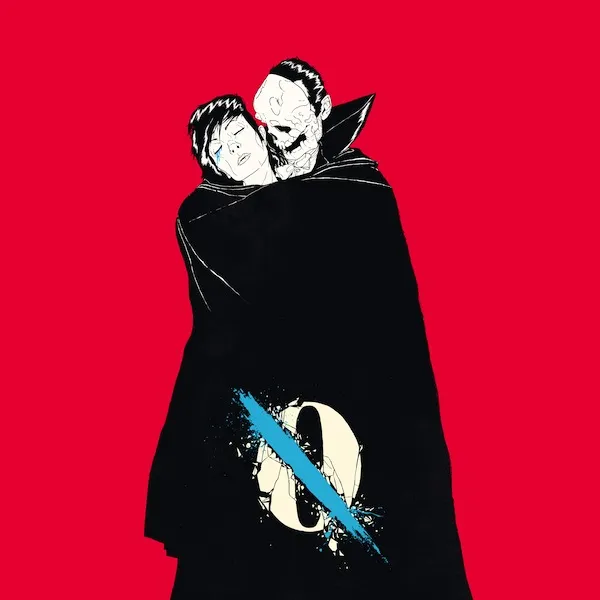
…Like Clockwork (2013) is widely celebrated by critics as a masterpiece of modern alternative rock, representing a deeply personal, darker, and more melodic evolution for the band in a vulnerable, reflective, yet entirely fierce audio documentary. Tracklist: Keep Your Eyes Peeled – A sludgy, atmospheric opener featuring heavy, creeping basslines. It sets a bruised, paranoid tone for the record. I Sat by the Ocean – brings classic QOTSA swagger and an infectious, driving rhythm while keeping the bittersweet lyrical edge intact. The Vampyre of Time and Memory – A gorgeous, gothic piano ballad reflect on exhaustion and mortality with striking, self-deprecating honesty. If I Had a Tail – A groovy, strutting monster of a track featuring backing vocals and guitar contributions from an all-star supporting cast (including Alex Turner and Mark Lanegan). It merges sleazy glam-rock swagger with a heavy, hypnotic stomp. My God Is the Sun – The powerhouse lead single. Driven by Dave Grohl’s explosive, time-shifting drumming, this is an energetic, soaring eruption of modern heavy rock. Kalopsia – A brilliant stylistic pivot. The song drifts between a dreamy, gauzy synthesizer vibe and violent, explosive walls of distortion, featuring subtle vocal harmonies from Trent Reznor. Fairweather Friends – A greasy, theatrical piano-driven stomper. It boasts guest appearances from Elton John on piano/vocals and Trent Reznor, targeting fake companions during dark times. Smooth Sailing – The slick, raunchy funk-rock centre piece. It injects a dose of swagger and dark humour, built around a swaggering, greasy bass groove and unforgettable lyrical one-liners. I Appear Missing – The emotional peak and undisputed masterpiece of the album builds from moody, intricate guitar lines into a blistering, chaotic climax before breaking into a breathtaking, soaring final solo. It is visceral, devastating, and unforgettable. .…Like Clockwork – A slow, melancholic, and tender closer. Stripped back and resigned, the title track acts as a quiet, weary piano-and-string post-script to the emotional storm that preceded it..
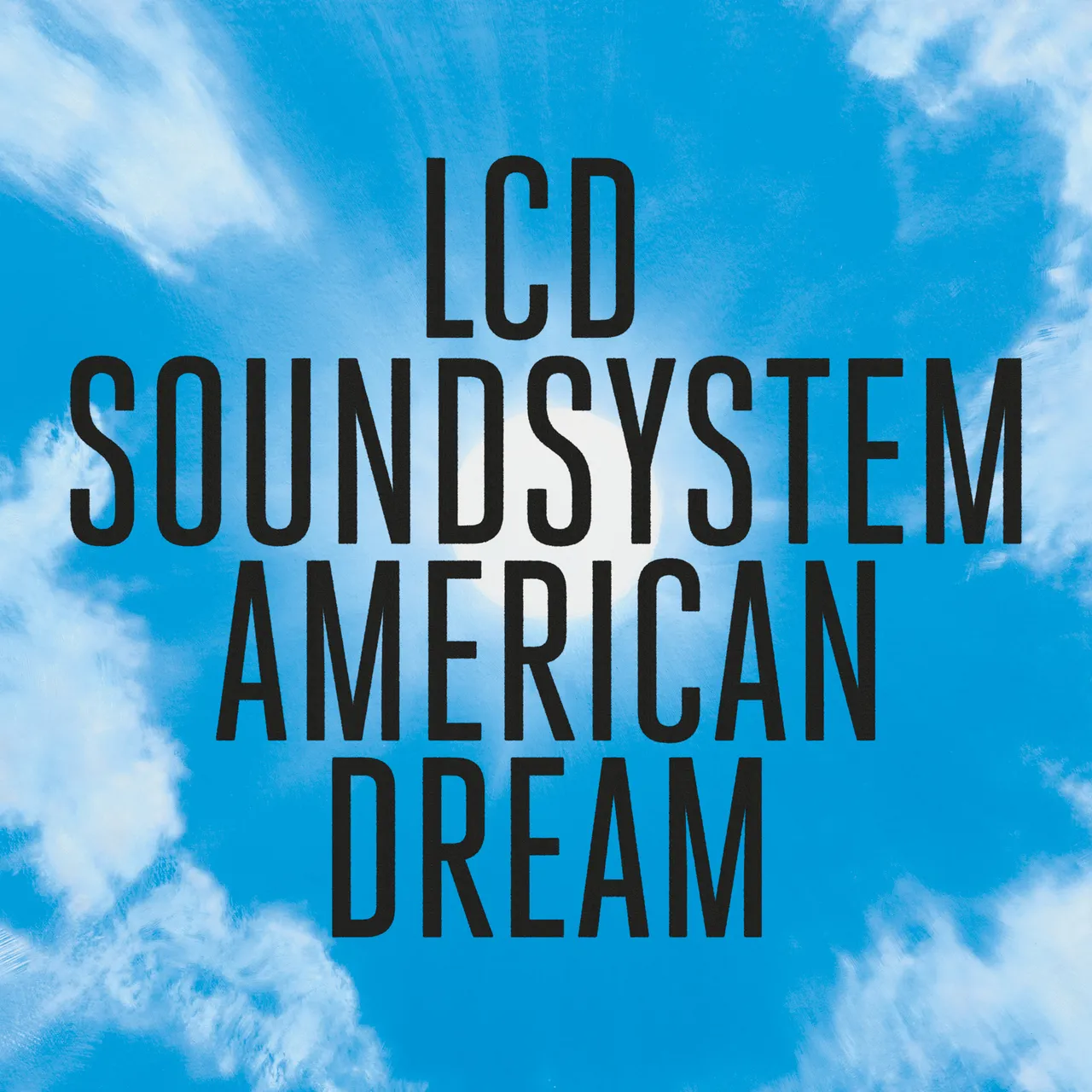
American Dream received critical acclaim from contemporary music critics. it was the band’s first album in seven years. At the Grammy Awards, the album was nominated for Best Alternative Music Album and “Tonite” won the Grammy Award for Best Dance Recording. Key tracks : the album’s lyrics deal with depression, social issues, fear, and ending of friendship and love.”Oh Baby”: The opening track is a vulnerability-stripped, gorgeous synth lullaby. ” “Other Voices”: A classic dancefloor groover complete with squelching synths, cowbells, and spoken-word interjections from band member Nancy Whang. “How Do You Sleep?”: The album’s 9-minute centre point. It relies on an uncharacteristically direct, slow-building rhythmic attack that serves as a blistering diss track aimed at a former friend. “Tonite” is a classic, crisp electro-punk track addressing mortality over a stellar synth line, while “Call the Police” brings a rowdy, marauding momentum that reflects contemporary political anxieties in America. “Black Screen”: A 12-minute ambient, bittersweet eulogy dedicated to David Bowie. It captures the stark, isolating grief of losing a mentor and collaborator.
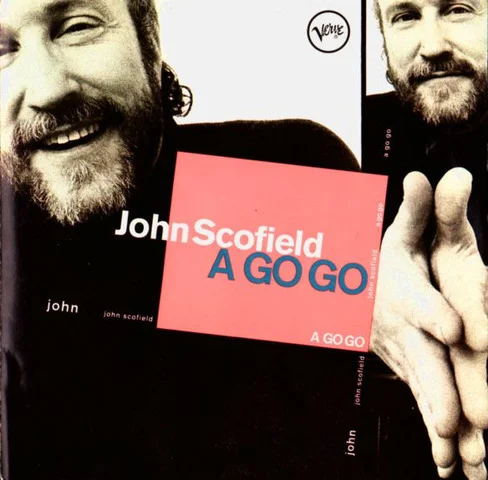
“A Go Go” is a landmark jazz-funk album, with Scofield’s soloing and melodic sensibilities making an instant impression. It is notable as his first collaboration with the avant-garde jazz trio Medeski Martin & Wood. The album is characterized by its deep, hypnotic grooves, blending jazz-funk, fusion, and contemporary jazz. It brings together the edginess of jazz and the approachable, broader appeal of R&B. All 10 tracks on the album were composed by John Scofield who adapted his signature fluid, expressive, and slightly distorted guitar tone to fit MMW’s tight, syncopated rhythm section. Highlights: 1. “A Go Go” – An earthy, slow-burn minor-key funk track that opens with a moody, misterioso groove. 2. “Chank” – Dedicated to soul guitar pioneer Jimmy Nolen (famed for his work with James Brown). 3. “Boozer” – A gritty, blues-inflected strut driven by heavy organ accents. 4. “Southern Pacific” – A laid-back, rolling groove reminiscent of a train ride. 5. “Jeep On 35”- An energetic, fast-paced jam featuring angular guitar lines and a driving beat. 6. “Kubrick” A brief, atmospheric, and tension-filled change of pace. 7. “Green Tea” – A smooth, breezy track that highlights Scofield’s melodic lyricism. 8. “Hottentot” – One of Scofield’s most famous modern compositions, boasting a heavy, jagged, and unforgettable funk riff. 9. “Chicken Dog” – A loose, playful, and greasy deep-funk cut. 10. “Deadzy” – A short, avant-garde, and experimental slow-tempo closer.
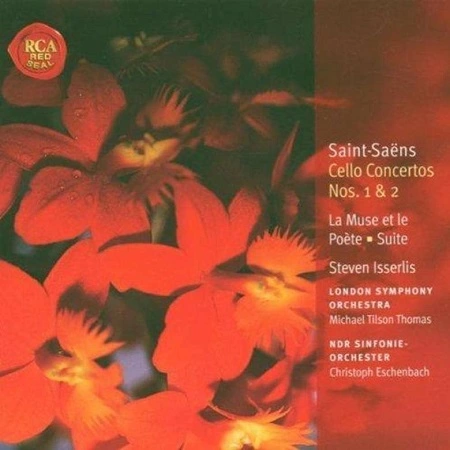
Cello Concerto No. 1 in A Minor, Op. 33 one of the most brilliant and enduring masterpieces in the classical cello repertoire. I. Allegro non troppo: Instead of a traditional, lengthy orchestral introduction, the orchestra strikes a single, explosive chord. The solo cello immediately bursts forward with a descending triplet motif, establishing an urgent, energetic dialogue with the ensemble. II. Allegretto con moto: A graceful, delicate section modeled after a classical minuet. It is written predominantly for muted strings, offering a charming, highly refined interlude.
III. Molto allegro: A virtuosic and passionate finale. This final section introduces new thematic material while cleverly restating and reworking the core melodies from the first movement to pull the entire cycle together. Cello Concerto No. 2 in D Minor, Op. 119 I. Allegro moderato e maestoso – Opens with a fiery, aggressive bolero rhythm. Andante sostenuto – A serene, richly harmonic section bridged by woodwinds. II. Allegro non troppo – A rapid, rhythmically driving section leading into a major solo Cadenza. Molto allegro – A thrilling, fast-paced finale that recycles themes from the first movement.
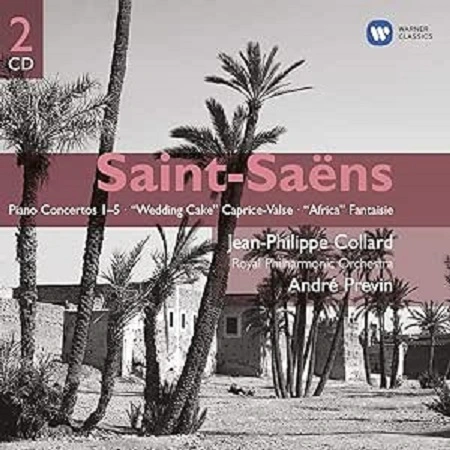
Piano Concerto No. 2 in G Minor, Op. 22 – A most popular and frequently performed keyboard concerto. I. Andante sostenuto : The concerto opens unexpectedly with a lengthy, unbarred solo piano cadenza. II. Allegro scherzando: This section takes the form of a nimble, witty scherzo. It showcases the composer’s trademark musical humor. III. Presto: A fiery, breathless finale written as a breakneck saltarella or tarantella dance. The piano and orchestra exchange frantic triplet rhythms, gathering immense power before exploding into a whirlwind of G minor arpeggios.The Piano Concerto No. 5 in F major, Op. 103, popularly known as “The Egyptian”. I. Allegro animato – Opens with a deceptively simple, bright melody that rapidly evolves into intricate, sun-drenched keyboard runs and scales. II. Andante – Allegretto tranquillo – Bursts out with a dramatic Eastern motif and features a beautiful central passage based on an authentic Nubian love song III. Molto allegro – A thrilling, virtuosic technical tour de force meant to replicate the exhilaration of a sea voyage, full of driving, percussive rhythms. Africa, Op. 89, The work is a signature piece that blends North African musical traditions with European virtuosity. The “Wedding Cake” Caprice-Valse, Op. 76, Characterized by its brilliant, cascading piano figures that evoke the image of falling confetti.
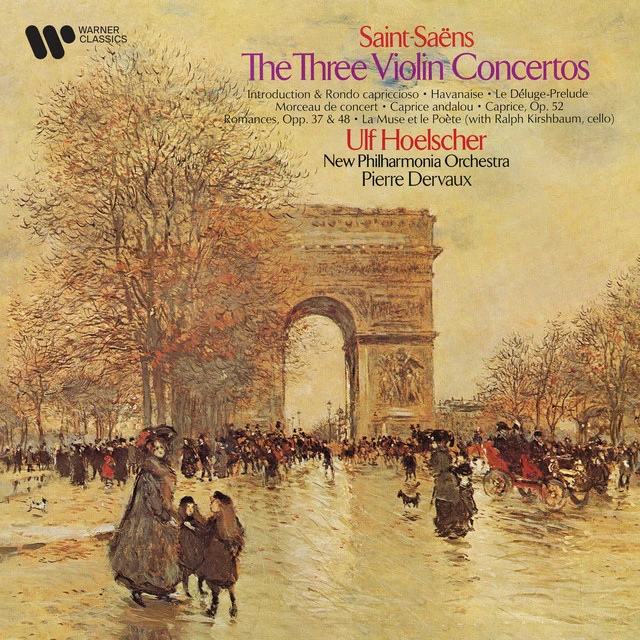
Violin Concerto No. 3 in B minor, Op. 61 – One of the most enduring masterworks of the Romantic violin repertoire. I. Allegro non troppo: Opens immediately with a striking, passionate theme played by the solo violin and features a beautifully contrasting lyrical second theme and a highly dramatic development section. II. Andantino quasi allegretto: A peaceful, gently swaying movement with delicate woodwind duets and ending where the solo violin plays arpeggios alongside an oboe. III. Molto moderato e maestoso – Allegro non troppo: Begins with an intense, dramatic solo violin before launching into a triumphant, march-like main theme. A quiet, solemn chorale motif is introduced, which eventually builds into a glorious, brass-heavy climax to bring the work to a thrilling finish
It is helpful to research the artist, using sources like Wikipedia , Music Magazine Reviews (Pitchfork, Rolling stone, NME etc.,) Artist Websites, etc…A synopsis of the life and music of this Issue’s featured artists appears below.
This Week’s Artists
John Scofield
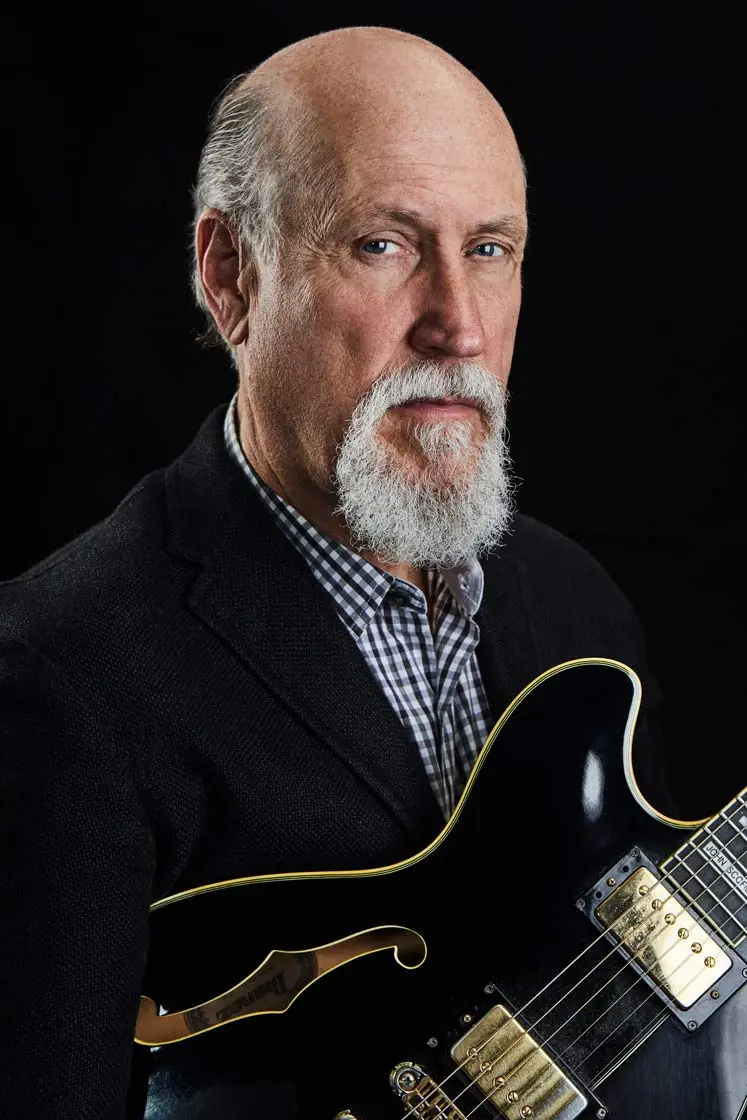
John Scofield (born December 26, 1951) is an American guitarist and composer. His music blends jazz, jazz fusion, funk, blues, soul and rock. He first came to mainstream attention as part of the band of Miles Davis. John Scofield was born in Dayton, Ohio before his family moved to Wilton, Connecticut Educated at the Berklee College of Music, Scofield left school to record with Chet Baker and Gerry Mulligan. He joined the Billy Cobham/George Duke Band soon afterwards and played, recorded, and toured with them for two years. He recorded with Charles Mingus in 1976 and replaced Pat Metheny in Gary Burton’s quartet. In 1976, Scofield signed with Enja, which released his first album, John Scofield, in 1977. In 1982, he joined Miles Davis, with whom he remained for three and a half years. Since leaving Miles Davis’s band, he has had an illustrious solo career and released several highly lauded albums. His albums have spanned a variety of genres, but his distinctive playing style always makes it clear that Sco is the mastermind behind each album. His work frequently crosses into jam band and rock circles through collaborations with Medeski Martin & Wood, Phil Lesh (Grateful Dead), and John Mayer. With a discography of over 30 albums as a leader and 100+ as a sideman, his most acclaimed works include: A Go Go (1998): A landmark jazz-funk collaboration with Medeski Martin & Wood. Hand Jive (1994): Featuring saxophonist Eddie Harris. Past Present (2015) and Country for Old Men (2016): Both won Grammy Awards for Best Jazz Instrumental Album. In total, he has won three Grammys from nine nominations.
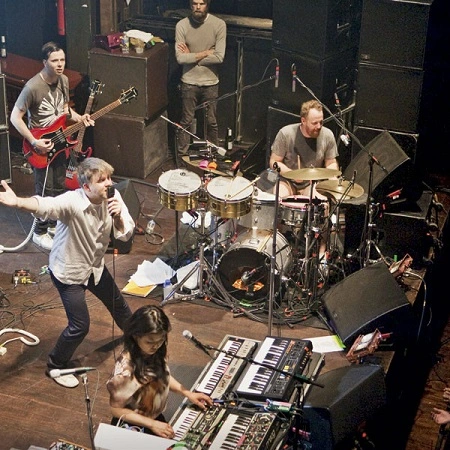
They remain a major global live draw, actively touring and playing multi-city residencies maintaining a stable, iconic live line-up: Korey Richey – Synthesizers, piano ; James Murphy – Vocals, production, various instruments ; Nancy Whang – Synthesizers, keyboards, vocals ;Pat Mahoney – Drums ; Tyler Pope – Bass, guitars, synthesizers ; Al Doyle – Guitars, percussion, synthesizers
LCD SOUNDSYSTEM
James Murphy founded LCD Soundsystem in 2002 in the New York City borough of Brooklyn. Before achieving mainstream recognition, New Jersey-born James Murphy spent the 1990s as a sound engineer and member of various alternative rock bands. His musical trajectory shifted drastically after he co-founded the influential independent label DFA Records and began merging his roots in punk and krautrock with electronic disco structures. The “LCD” part of the band’s name stands for “Liquid Christmas Display” They uniquely combined electronic dance grooves with the emotional depth and instrumentation of indie rock. The band first made waves with their debut single “Losing My Edge” in 2002. The track, a spoken-word electronic piece satirising aging music hipsters, quickly became an underground dancefloor anthem and established the group’s signature blend of self-deprecating wit and infectious rhythm. They followed it up in 2005 with their self-titled debut studio album, LCD Soundsystem, featuring the global crossover hit “Daft Punk Is Playing at My House”. Their subsequent release, Sound of Silver (2007) , established them as critical darlings. Widely considered a masterpiece of 2000s alternative music, the second album leaned heavily into a neo-disco resurgence. It balanced up-tempo hits like “North American Scum” with deeply emotional, melancholy anthems such as “Someone Great” and “All My Friends.” widely lauded as one of the best tracks of the 2000s. This Is Happening (2010): Recorded in Los Angeles, this album expanded their sonic canvas with standout tracks like “Drunk Girls” and “Dance Yrself Clean,” cementing their status as a world-class live festival act. At the height of their popularity, James Murphy announced the band’s disbandment, culminating in a massive, sold-out final farewell concert at Madison Square Garden on 2 April 2011. During the subsequent hiatus, Murphy focused on production work, opening a restaurant, and building custom club sound systems. However, the retirement was temporary; the band officially reunited in 2016 and released their fourth studio album, American Dream, in 2017, earning their first number-one record on the US Billboard.
QUEENS OF THE STONE AGE
The band was founded by vocalist and guitarist Josh Homme shortly before he returned to his native Palm Desert, California. Homme has been the only constant member throughout multiple line-up changes; since 2013, the line-up has consisted of Homme, Troy Van Leeuwen (guitar, lap steel, keyboards, percussion, backing vocals), Michael Shuman (bass, keyboards, backing vocals), Dean Fertita (keyboards, guitar, percussion, backing vocals), and Jon Theodore (drums, percussion). Homme released Queens of the Stone Age’s self-titled debut album in 1998 on label Loosegroove Records. . The band’s line-up would change frequently; by the time their second album was being recorded, Released in 2000, Rated R featured myriad musicians The album garnered positive reviews and received a lot more attention than their debut. Dave Grohl, Foo Fighters frontman and former Nirvana drummer, joined in late 2001 to record drums for the band’s third album, Songs for the Deaf which was a critical hit, a great road trip album about the drive from Los Angeles to the Joshua Tree desert. In late 2004, Homme, along with multi-instrumentalist Alain Johannes and remaining band members Van Leeuwen and Castillo recorded the Queens’ fourth studio album, Lullabies to Paralyze. Songs on the album feature dark themes and witchcraft. Era Vulgaris is the fifth studio album released on June 12, 2007, through Interscope Records, as their last album on the label. Era Vulgaris displays influences from many different genres. The album departs from the softer, hollow-body guitar sound of their previous album with heavy, crunchy guitars and some electronic influences. …Like Clockwork is the sixth studio album released In June 2013, on Matador Records in the UK.
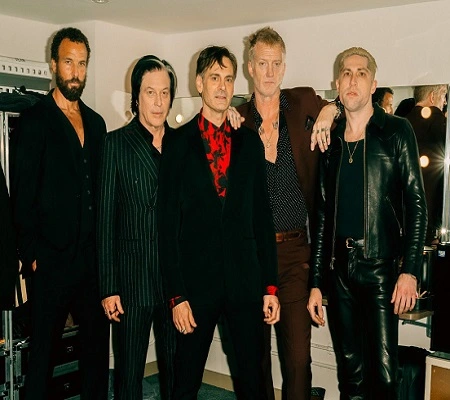
Villains is the seventh studio album The album received widely positive reviews and performed well commercially. In Times New Roman… is the eighth studio released on June 16, 2023, through Matador Records. It was the first QOTSA album to be produced by the band and not to feature any guests. Writing for Pitchfork, Zach Schonfeld called it the band’s “heaviest, angriest work since 2007’s underrated Era Vulgaris.”
Samson et Dalila (1877): His highly successful grand opera based on the biblical tale.. Symphony No. 3 in C minor “Organ Symphony” (1886): An orchestral triumph integrating a pipe organ, which later gained massive modern fame as main theme in the film Babe.
CHARLES-CAMILLE SAINT-SAËNS
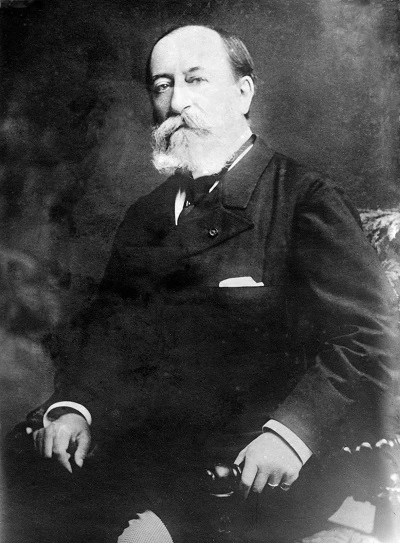
Charles-Camille Saint-Saëns (9 October 1835 – 16 December 1921) was a French composer, organist, conductor and pianist of the Romantic era. Saint-Saëns was a musical prodigy; he made his concert debut at the age of ten. After studying at the Paris Conservatoire, he followed a career as a church organist and served for 20 years as the organist at the Church of La Madeleine in Paris. After leaving this post he became a successful freelance pianist and composer, in demand in Europe and the Americas. He was a scholar of musical history, and remained committed to the structures worked out by earlier French composers. This brought him into conflict in his later years with composers of the impressionist and expressionist schools of music although there were neo-classical elements in his music, he was often regarded as a reactionary in the decades around the time of his death. Saint-Saëns held only one teaching post, at the École Niedermeyer in Paris, and remained there for less than five years. It was nevertheless important in the development of French music: his students included Gabriel Fauré, among whose own later pupils was Maurice Ravel. Both of them were strongly influenced by Saint-Saëns, whom they revered as a genius. Beyond music, Saint-Saëns was an intellectual with published writings in astronomy, archaeology, mathematics, and philosophy. In 1908, he became the first major composer to write a dedicated score for a motion picture, L’assassinat du duc de Guise. Saint-Saëns was an anomaly in French music because he wrote masterfully across every possible genre, from grand opera to solo piano pieces. His most celebrated works include:The Carnival of the Animals (1886): A humorous musical suite written purely to amuse his friends. Fearing it would ruin his reputation as a serious composer, he banned its publication during his lifetime, except for the elegant cello solo, “Le cygne” (The Swan).Danse Macabre (1874): A vivid symphonic poem utilizing a xylophone to depict the rattling bones of skeletons dancing at midnight.
Sound quality is important and the better online Streaming services will offer superior sound quality. As always, We do encourage you to purchase favoured albums from good online or High Street record stores.
LCD Soundsystem – American Dream – Label : DFA
John Scofield – A Go Go – Label : Verve Records
Queens Of The Stone Age -…Like Clockwork – Label : Matador
Saint-Saëns – Cello Concertos – Label : RCA ; Violin Concertos ; Piano Concertos – Label : Warner Classics:
In further issues we will continue to bring you the music of popular genres to listen, review and evaluate.
Issue #9(coming soon) features The Stone Roses-Hidden Orchestra – Jaga Jazzist-Gérard Grisey