Rock Music – Issue #6
Rock music’s history is glorious. But who are it’s greatest rock bands and artists?
Over the years Many Disparate rock music sub-genres have emerged. hybrids like blues rock, folk rock, country rock, Progressive Rock, Psychedelic Rock, Glam Rock, Heavy Metal, Punk, Electronic, Etc. Have their Fans and Critics. From the ’90s alternative Rock achieves dominance. New genres, like grunge, Britpop, Hip Hop and indie Rock enter the mainstream. each with their own Unique Characteristics, Style, and Cultural Significance. Rock music has long been linked with political activism. Together with changes in social attitudes to race, sex, and drug use. Rock Music has assimilated cultural and social Movements – mods, rockers, Punks and the hippie movement for Example. the music both reflects society and influences society.The evolution of Rock Music has been inextricably linked to technological advancements. from the invention of the electric guitar to the rise of digital streaming platforms. Thus Music became ubiquitous, whether in public places or in the home. Music is a form of human conversation
Music Remains deeply personal, We hope to Highlight albums that evoke images, memories, and emotions to spark debate and Broaden your Horizons, step out of Your comfort zone and expand your music taste and experiences.
Join the Conversation!!!
We will Feature Up to 3 Albums from Artists representative of a range of the Many sub-genres. We Hope to encourage Listeners of all tastes and passions. So Get your Headphones on and Consider discussing the musical Offering and sharing your views with like-minded peers.
In Issue #6, We Feature Arctic Monkeys
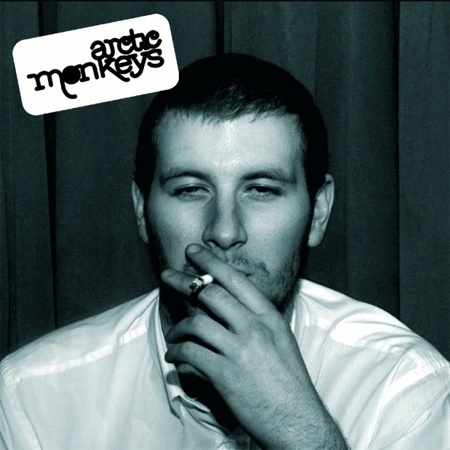
‘Whatever People Say I Am, That’s What I’m Not’ – A snapshot of a particular time and place, a witty and incisive portrait of the nightlife of the towns and cities up and down the country – and, more specifically, Sheffield.Their debut album suggests there is plenty more that is remarkable about Arctic Monkeys. Good news if you think rock music should be an iconoclastic, progressive force, rather than a branch of the light entertainment industry. Tracklist includes: “I Bet You Look Good on the Dancefloor”The explosive breakout hit driven by breathless vocals, charging guitar riffs, and undeniable garage-rock momentum. “When the Sun Goes Down”: A gritty, observational single dealing with prostitution in Sheffield’s Neepsend district, shifting from a quiet melodic verse to a heavy, churning climax. “Mardy Bum”: A beloved fan favourite showcasing Alex Turner’s sharp, affectionate, and colloquial lyricism regarding domestic tension in a relationship. “The View From the Afternoon”: The blistering opening track that sets the frantic, youthful pace for the rest of the record. “A Certain Romance”: The epic, melancholic closing track that blends soaring guitar melodies with a nostalgic, observant critique of club culture and hometown youth. “Fake Tales of San Francisco”: A fast-paced satirical track targeting local bands pretending to have American lifestyles. “Dancing Shoes”: Sleek and punchy, focusing on the anxious, cyclical rituals of weekend clubbing and trying to pull. “You Probably Couldn’t See for the Lights But You Were Staring Straight At Me”: A fast-paced, frantic snapshot of crowded club tension and misread signals. “Still Take You Home”: Anchored by a heavy, pulsing bassline and energetic delivery detailing post-midnight pursuits. “Riot Van”: A brief, acoustic-leaning, and wryly humorous interlude about a minor run-in with local police. “Red Light Indicates Doors Are Secured”: A claustrophobic, brilliantly observed narrative about negotiating with a stubborn taxi driver outside a venue. “Perhaps Vampires Is a Bit Strong But…”: An aggressive, shifting jam addressing the band’s rapid rise and scepticism toward outside hangers-on. . “From the Ritz to the Rubble”: A tense, jagged rush about trying to talk your way past a notoriously difficult club bouncer.
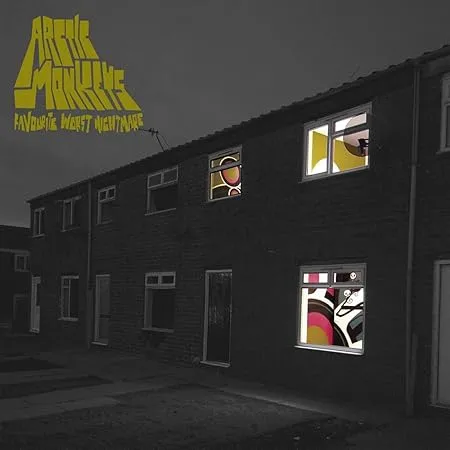
“Favourite Worst Nightmare” is the sound of band truly developing its own sound and identity. This was the first album to feature bassist Nick O’Malley, following the departure of Andy Nicholson.Tracklist: Brianstorm – A volcanic, high-octane opener driven by Matt Helders’ ferocious, pummelling drum rolls and Alex Turner’s sardonic opening jab (“Brian / Top marks for not tryin'”). It sets a breathless, aggressive tone for the record. Teddy Picker – A scathing, jagged critique of the music industry and fame, featuring heavy desert-rock guitar tones and a sticky, stomping rhythm. D Is for Dangerous – A tight, pugnacious track that highlights the band’s sharp council-estate edge and swift, interlocking bass and guitar work. Balaclava – A frantic, surf-rock-inflected sprint featuring clever, rapid-fire rhyme schemes and breathless pacing. Fluorescent Adolescent – One of the album’s defining masterpieces. It pairs a bouncy, nostalgic 1960s pop and R&B-influenced jangle with bittersweet, deeply tender lyrics about growing older and lost youth. Only Ones Who Know – A welcome, gentle palette cleanser. This quiet, acoustic-led ballad shows a more vulnerable, mature side to Turner’s songwriting and vocal delivery. Do Me a Favour – A devastating emotional centrepiece. It starts as a mid-tempo, Americana-tinged build before exploding into a chaotic, noise-drenched climax mirroring a deteriorating relationship. This House Is A Circus – A dark, claustrophobic track that leans heavily into post-punk revival textures, evoking a dizzying and paranoid atmosphere. If You Were There, Beware – A menacing, heavy-riffing composition that showcases the band’s expanded sonic boundaries and instrumental precision. The Bad Thing – A bouncy, swaggering tune that occasionally divides fans, functioning as a sleazy, fast-paced detour before the album’s emotional finale. Old Yellow Bricks – A fan-favourite anthem that blends a soaring, sing-along chorus with cynical, poetic imagery about leaving home and changing identities. 505 – The ultimate closing track. It slowly builds from a moody organ progression and clock-ticking rim shots into an overwhelming, passionate crescendo of heartbreak and longing
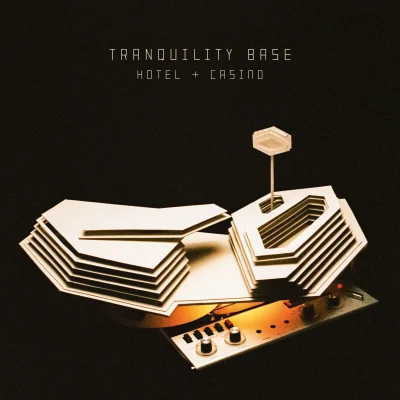
The five-year gap between the release of albums may have suggested a band resting on its laurels or simply running out of ideas, but the reality was far different. ‘Tranquillity Base Hotel + Casino’ finds Arctic Monkeys doing what so many bands refuse to countenance – taking a chance. Indeed, the band’s sixth studio album is such a radical departure from the hook-laden rock music that made their name that fans are still divided over the record’s merits. Yet for all that, it still became their sixth consecutive No. 1 album in the UK. There were the nominations for the 2018 Mercury Prize and the Grammy for Best Alternative Music Album. And with good reason. The album may lack the immediacy of its predecessors, but the charms of the title track and ‘Four Out Of Five’ reveal the songs to be sophisticated pop pearls that continue to sparkle and beguile. Indeed, repeat listens peel away layer after layer until you’re left with a gem that’ll last a lifetime.Key tracks include “Star Treatment” The album opener sets the lounge-pop and space-age tone with the famous opening line, “I just wanted to be one of the Strokes.” “Four Out of Five”: The primary single and most commercially prominent track, featuring a catchy, glam-rock-tinged vocal melody and satirical luxury-resort imagery. “One Point Perspective”: A smooth, piano-driven track highlighting Alex Turner’s stream-of-consciousness storytelling and jazz-inflected rhythms. “Batphone”: A moody, synth-heavy standout that builds on the record’s late-night, sci-fi lounge atmosphere. “The Ultracheese”: The poignant, melancholic closing track that grounds the high-concept lunar resort in a nostalgic, terrestrial reflection on old friendships.
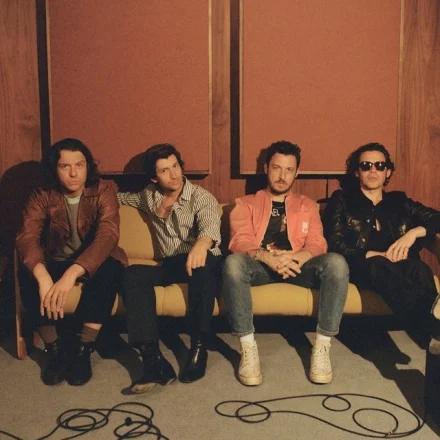
Arctic Monkeys are an English rock band formed in Sheffield in 2002. They comprise lead singer and guitarist Alex Turner, drummer Matt Helders, guitarist Jamie Cook and bassist Nick O’Malley, who replaced co-founder and original bassist Andy Nicholson in 2006. Though initially associated with the short-lived landfill indie movement, Arctic Monkeys were one of the earliest bands to come to public attention via the Internet, during the emerging “blog rock” era. Commentators have suggested that this period marked a shift in how new bands were promoted and marketed. Their debut album, Whatever People Say I Am, That’s What I’m Not (2006), received acclaim and topped the UK Albums Chart, becoming the fastest-selling debut album in British chart history at the time. It won Best British Album at the 2007 Brit Awards and has been hailed as one of the greatest debut albums. Turner, who had grown up in a musical household as his father was a music teacher, played guitar in the then-instrumental-only band, with Helders on drums, Nicholson on bass and a new band member, Jamie Cook, as a second guitarist. Turner became the lead singer and frontman of the band as he had “a thing for words”, according to Helders. The band played its first gig on 13 June 2003 at The Grapes in Sheffield city centre.
After a few performances in 2003, the band began to record demos at 2fly studios in Sheffield. 18 songs were demoed in all and the collection, now known as Beneath the Boardwalk, was burned onto CDs to give away at gigs, which were promptly file-shared amongst fans. The band began to grow in popularity across the north of England, receiving attention from BBC Radio and the British tabloid press. In May 2005, Arctic Monkeys released the EP Five Minutes with Arctic Monkeys on their own ‘Bang Bang’ label. This release was limited to 500 CDs and 1,000 7″ records, but was also available to download from the iTunes Music Store. Soon after, the band played at the Carling Stage of the Reading and Leeds Festivals, reserved for less known or unsigned bands. The band finished recording their debut album, Whatever People Say I Am, That’s What I’m Not, at Chapel Studios in Lincolnshire in January 2006 with British record producer Jim Abbiss producing. ‘Whatever People Say I Am, That’s What I’m Not’ won the 2006 Mercury Prize.The band’s second album, ‘Favourite Worst Nightmare’, was released on 23 April 2007. Arctic Monkeys headlined the Glastonbury Festival on 22 June 2007 and they ended the year by clinching the Best British Band and Best British Album at the 2008 BRIT Awards. For the second year in a row, the band was nominated for the annual Mercury Prize. Recording sessions for a third album commenced in early 2008 and lasted throughout the year, with producers James Ford (who previously worked with Turner on the Last Shadow Puppets’ album) and Josh Homme (frontman of Queens of the Stone Age) adding some clout to the band’s sound before unveiling ‘Humbug’ in August 2009. ‘Suck It and See’ arrived in spring 2011, topping the U.K. album chart. It wasn’t until the summer of 2013 that the group’s fifth album was to be revealed. Entitled ‘AM’, the record was released in September, a few months after a triumphant headlining performance at Glastonbury 2013.Both a critical and commercial success, it also earned the group a Mercury Prize nomination and won British Album of the Year at the BRIT Awards.
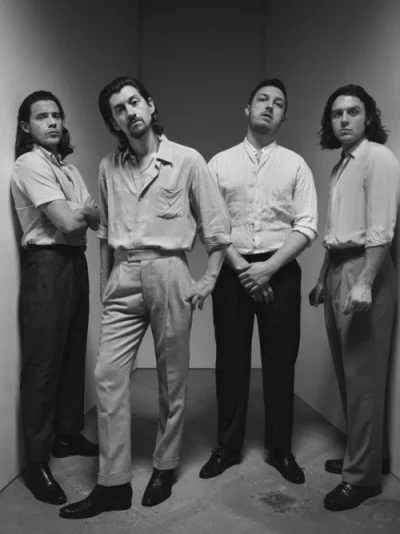
Both a critical and commercial success, it also earned the group a Mercury Prize nomination and won British Album of the Year at the BRIT Awards. Following the end of their tour in 2014, the band entered an extended hiatus, during which time the individual members pursued solo projects. Arctic Monkeys resurfaced in April 2018 with the loungey ‘Tranquillity Base Hotel & Casino’, a softer affair than their previous albums. In 2022, they delivered ‘The Car’ in October. Continuing the slow, stylish vibe of the previous album.
Sound quality is important and the better online Streaming services will offer superior sound quality. As always, We do encourage you to purchase Favoured albums from good online or High street record stores. Arctic Monkeys record label – Domino Recording Company
Artists in upcoming issues: Wilco, Oasis, Swans, Elvis Costello, Blur……Keep Listening!!