
We will Feature Up to 4 Albums from Artists representative of a range of the Many sub-genres. We Hope to encourage Listeners of all tastes and passions. So Get your Headphones on and Consider discussing the musical Offering and sharing your views with like-minded peers.
Join the Conversation!!!
Folk / Rock Music – Issue #9
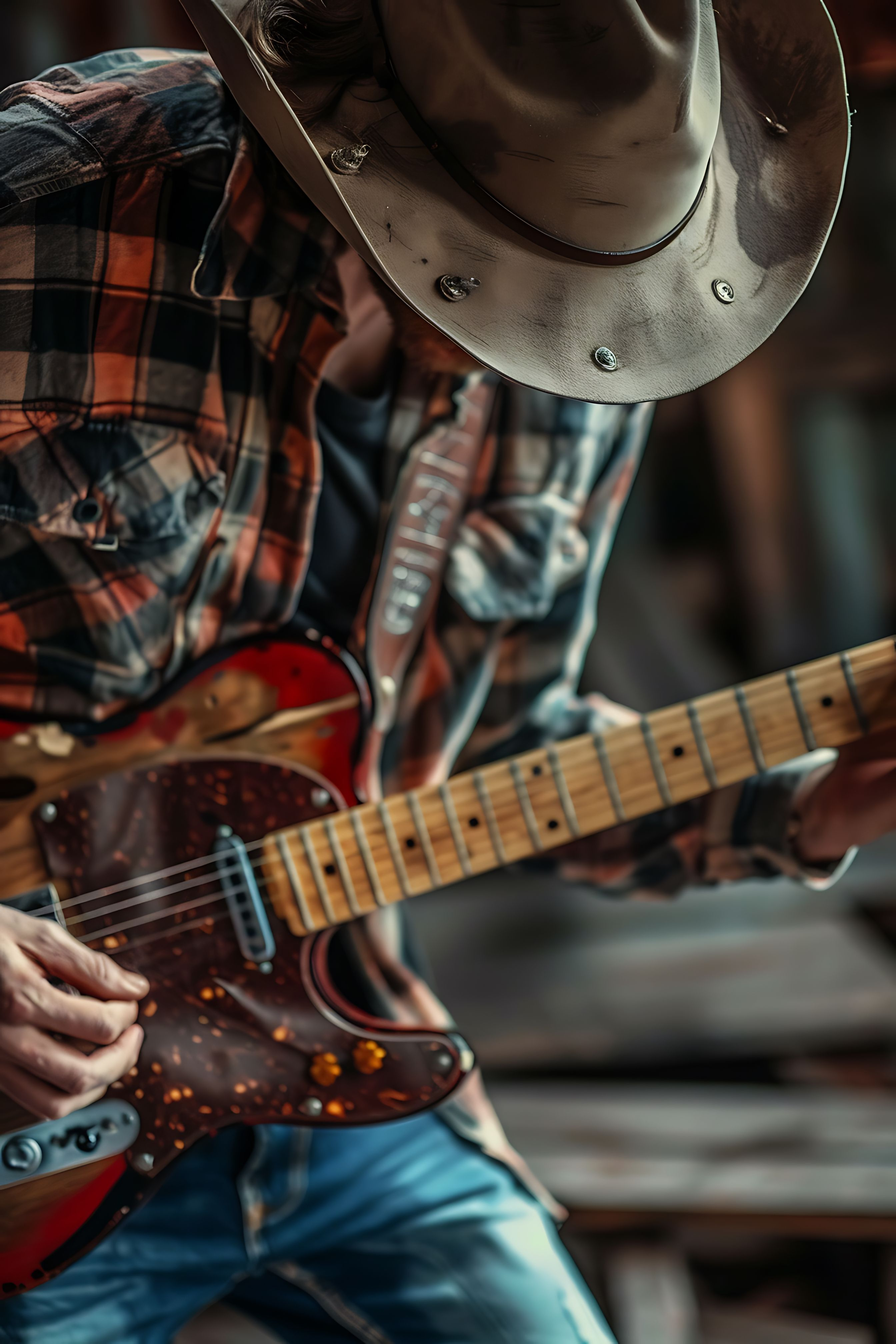
The American folk music revival began during the 1940s; building on the interest in protest folk singers such as Woody Guthrie and Pete Seeger.
The genre reached a peak in popularity in the mid-1960s with artists such as Bob Dylan and Joan Baez: The Byrds are credited with creating the genre’s “jangle” sound, particularly with their 1965 cover of Bob Dylan’s “Mr. Tambourine Man”. Dylan himself popularized the genre by “going electric” at the 1965 Newport Folk Festival. Besides Dylan and The Byrds, notable artists include Crosby, Stills, Nash & Young, Buffalo Springfield, Simon & Garfunkel, and The Band.In the UK, bands like Fairport Convention and Steeleye Span developed a distinct sound by electrifying traditional British folk tunes Common instruments include acoustic and electric guitars, mandolin, banjo, and fiddle. In the United States folk rock acts personified youthful rebellion that in its more pointed songs was labelled “protest” music. In Britain folk rock tended to be more respectful of tradition and combined centuries-old folk material with original, tradition-flavoured songs arranged for folk rock ensembles that often used old instruments to maintain a strong Celtic flavour. While the folk rock movement began and quickly surged in the 1960s, it has continued through the present day. Blending the acoustic, lyrical, and melodic elements of folk music with the electric instrumentation, rhythm, and energy of rock & roll. It often features close vocal harmonies, poignant songwriting, and jangly guitars.It has spawned many offshoots, including psychedelic folk rock (Jefferson Airplane), country rock (the Flying Burrito Brothers, John Prine), progressive folk music (Richard Thompson, O’Death), punk-inspired folk rock (the Replacements, Dinosaur Jr., Buffalo Tom), and even folk metal (Skyclad, Moonsorrow).
In Issue #9, We Feature Fleet Foxes
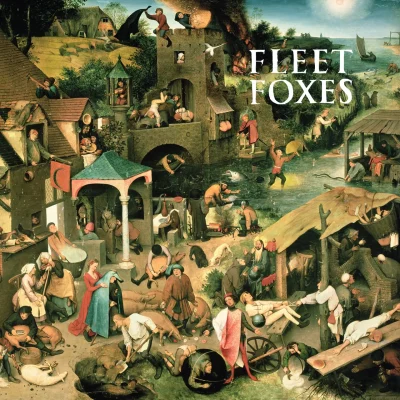
Fleet Foxes is the critically acclaimed, self-titled debut studio album released in June 2008, the record sparked a massive resurgence in the late-2000s indie folk movement. Celebrated for its lush, broad spectru m of styles— from Appalachian folk and early acoustic traditions, rustic, earthy foundations to classic rock and SoCal pop. Fleet Foxes create a personal synthesis of the music of their peers, their parents, and even their grandparents. Tracklist: 1. Sun It Rises: An acappella-led opening that gradually introduces a cyclical acoustic guitar riff. Layered harmonies establish a warm atmosphere and the album’s core theme of nature and pastoral rhythm. 2. White Winter Hymnal: The album’s most famous breakout track, built on rapid-fire rhythmic thumping (slapping instruments/guitars) and soaring, overlapping choir vocals inside a catchy, tight pop structure. 3. Ragged Wood: A driving, upbeat folk-rock track featuring rattling percussion, lively strumming, and an infectious energetic pace blending Appalachian folk revival with classic SoCal pop bounce. 4. Tiger Mountain Peasant Song: intimate acoustic lament driven by fingerpicked guitar and a raw, honest, and deeply personal vocal delivery. 5. Quiet Houses: A tense, rhythmic meditation on loneliness and isolation, weaving layered harmonies through a tightly coiled arrangement. 6. He Doesn’t Know Why: A melancholic, piano-punctuated song reflecting on confusion, communication breakdowns, and adolescent or young-adult drift.7. Heard Them Stirring: A brief, largely acappella / harmony-driven interlude. 8. Your Protector: A delicate, fingerpicked acoustic track with echo-drenched vocals. Gently resolves the album’s emotional journey, leaving the listener with a quiet, lingering sense of distance and pastoral peace 9. Meadowlarks: A lullaby-like acoustic piece where traditional lyrics occasionally dissolve into hums, moans, and wordless vocal textures leaning heavily on pure timbre and acoustic resonance over formal narrative. 10. Blue Ridge Mountains: Moving from a steady rolling beat into a sweeping, emotionally resonant climax. 11. Oliver James: A gentle, guitar-and-vocal closer
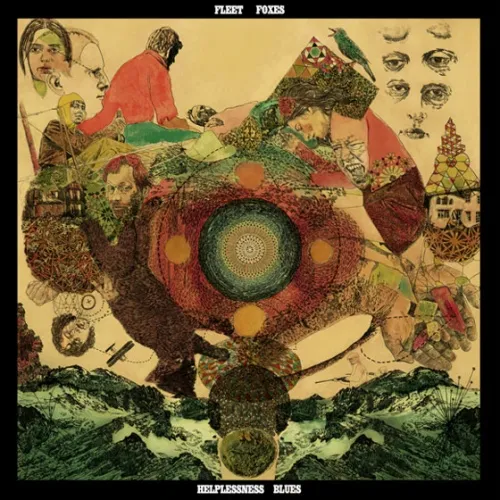
Helplessness Blues (2011), is widely considered a chamber-folk masterpiece. Moving away from the purely pastoral, landscape-focused imagery of their debut, Fleet Foxes explore the internal terrain of the human heart, twenty-something existential dread, and the tension between individual ambition and community. Tracklist: 1. Montezuma: Built on slow, cascading crescendos and stunning choral arrangements. The track strips away the comfort of material success, setting a vulnerable, searching tone for the entire record. 2. Bedouin Dress: Driven by a lively, rolling fiddle line, this track explores the allure of idealized, “rustic” living. “Bedouin dress” used as a metaphor as to how modern youth romanticize ancient or simple lifestyles to escape their current existential anxieties. 3. Sim Sala Bim: The track transitions from a delicate acoustic guitar melody into a frantic, driving folk rhythm. A famous magician’s catchphrase symbolises a lifestyle built on mere illusions eventually crumbles when reality sets in. 4. Battery Kinzie: One of the most upbeat and melodic tracks on the album, featuring thunderous percussion (courtesy of former member, Father John Misty). 5. The Plains / Bitter Dancer: This track introduces the album’s more avant-garde and progressive rock ambitions. It opens with “The Plains,” a drone-heavy, brooding section featuring a Tibetan singing bowl, before shifting into the sweeping, cyclical folk harmonies of “Bitter Dancer”. It captures a sense of being lost in a vast, uncaring landscape. 6. Helplessness Blues: Frequently praised for its mid-song transition, which features a dramatic beat switch into an expansive “wall of sound”. 7. The Cascades: Instrumental piece featuring shimmering mandolins and acoustic guitars, mimicking the fluid movement of water down the Cascade mountains. 8. Lorelai: A jangling homage to the acoustic styles of Bob Dylan’s Blonde on Blonde. It handles a failing relationship with bitter-sweet melodies, contrasting highly emotional yearning with an upbeat, danceable folk rhythm.9. Someone You’d Admire: A deeply intimate, quiet track where Pecknold is accompanied by little more than a gently picked guitar. 10. The Shrine / An Argument: At over eight minutes long, this is the album’s most an ambitious and experimental art piece, charting the explosive collapse of a relationship. The final three minutes feature a discordant, chaotic free-jazz saxophone breakdown meant to simulate a literal, screaming argument where communication completely breaks down. It is the darkest, most disorientating point of the record. 11. Blue Spotted Tail: Stripped back to a single guitar and a pure, un-reverbed vocal line which pushes the sound closer to the listener 12. Grown Ocean: An epic, sweeping closer that mirrors the entry points of the album. Flooded with driving acoustic guitars, flutes, and soaring harmonies, the song feels like a triumphant awakening from a long dream.
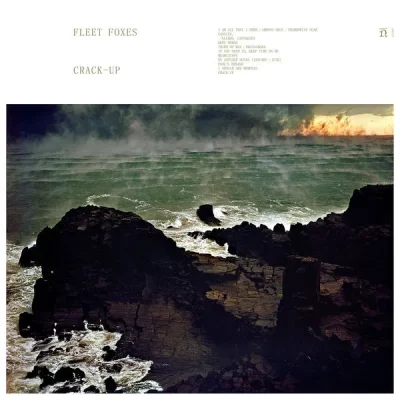
Crack-Up is the critically acclaimed third studio album released in June 2017. It marked the band’s return following a six-year hiatus and a label switch to Nonesuch Records. The record represents a dramatic shift toward a more complex, progressive, and experimental sound compared to their earlier folk hits. Tracklist: 1. I Am All That Need / Arroyo Seco / Thumbprint Scar: An episodic, multi-part opening suite that transitions through shifting tempos and moods, acting as an overture for the impending emotional battles to come. 2. Cassius: A fluid, rhythmically driving track featuring dense, literary-referenced lyrics and layered vocal harmonies. 3. – Naiads, Cassadies: This section evokes Greek mythology. Bright but deeply melancholic acoustic fingerpicking pairs with cascading woodwinds and vocal counter-melodies, evoking the fluid, shifting motion of water.4 …Kept Woman: The album’s most uncomplicated yet deeply absorbing nocturnal hymn. 5. Third of May / Ōdaigahara: A sprawling, nine-minute prog-folk epic. It shifts through dramatic suites and highlights the deep creative bond between Pecknold and multi-instrumentalist Skyler Skjelset. 6. If You Need To, Keep Time On Me: A tender, sparse piano-and-vocal vow of constancy. It addresses sociopolitical instability and personal anchor points 7. Mearcstapa: An Old English-derived title (“border-stepper” or wanderer living on the fringes, edges, and boundaries of settled human society) that leans heavily into complex, shifting chamber-folk instrumentation. 8. On Another Ocean (January / June): A two-part thematic pivot: “January” is darker and slower, representing the inescapable weight of the past, while “June” turns brighter and focuses on action, consequences, and personal evolution. 9. Fool’s Errand: Outwardly bright and instantly memorable, the song pairs a classic driving acoustic rhythm with a soaring chorus melody. However, the band continuously shifts tempos and drops out instruments mid-bar, intentionally “short-circuiting” the pop satisfaction. 10. I Should See Memphis: A moody, atmospheric cut driven by low-lying vocals, creeping violin lines, and a calm yet tense disposition. 11. Crack-Up: The title-track and grand finale. It borders on an impressionistic sound collage, tying together lingering motifs of rising tides, fractured identity, and emotional resolution.
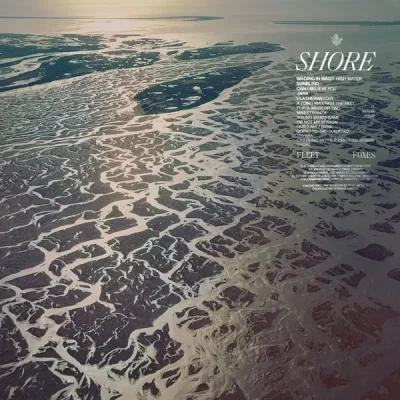
Fleet Foxes’ Shore is widely considered a triumphant, bright, and emotionally unburdened indie-folk masterpiece earned immense critical acclaim and a Grammy nomination for Best Alternative Music Album. The album leans into immediate melodies, sunshine-infused instrumentals, and a deep sense of gratitude. Tracklist: 1. Wading in Waist-High Water: The album opens with the rich, consoling voice of Nigerian-American artist Uwade Akhare. Backed by sparse, lapping percussion and children’s harmonies, it sets a baptismal, soothing tone about easing into emotional depths. 2. Sunblind: A radiant, driving eulogy with an upbeat, sun-drenched melody. 3. Can I Believe You: Staccato, anxious, and hook-heavy, leans into Beach Boys-style vocal stack harmonies and propulsive energy. 4. Jara: A punchy, politically conscious headbanger. It pairs driving instrumentation with themes of historical resistance, solidarity, and the duty of art in times of political cruelty. 5. Featherweight: Meditative, driving isolation, fast-and-loose, jangly acoustic rhythm. 6. A Long Way Past the Past: Resigned, mellow, and groove-oriented soft-rock smoothness with pastoral folk. 7. For a Week or Two: A miniature, acoustic pastoral gem. 8. Maestranza: Rhythmic, brisk, and worldly. Driven by nimble drumming (featuring Christopher Bear of Grizzly Bear) and subtle, dancing percussion. 9. Young Man’s Game: Self-effacing satire and mid-life release. 10. I’m Not My Season: The emotional and temporal anchor of the record. this song addresses the pressure to constantly evolve or match external benchmarks. 11. Quiet Air / Gioia: Atmospheric, swelling into an apocalyptic crescendo. 12. Going-to-the-Sun Road: A breezy, multilingually textured highway drive featuring guest Portuguese-language verses and contributions from Brazilian musician Tim Bernardes. 13. Thymia: Syncopated, brief, and abstract. 14. Cradling Mother, Cradling Woman: Lush, horn-laden warmth. decorated with liquid brass arrangements. 15. Shore: A celebratory, jangling, piano-led horizon, the song swells into a massive, cathartic wave of jangling pianos, clashing cymbals, and harmonized voices—before the tide pulls back to leave a single, lingering, extended piano note.
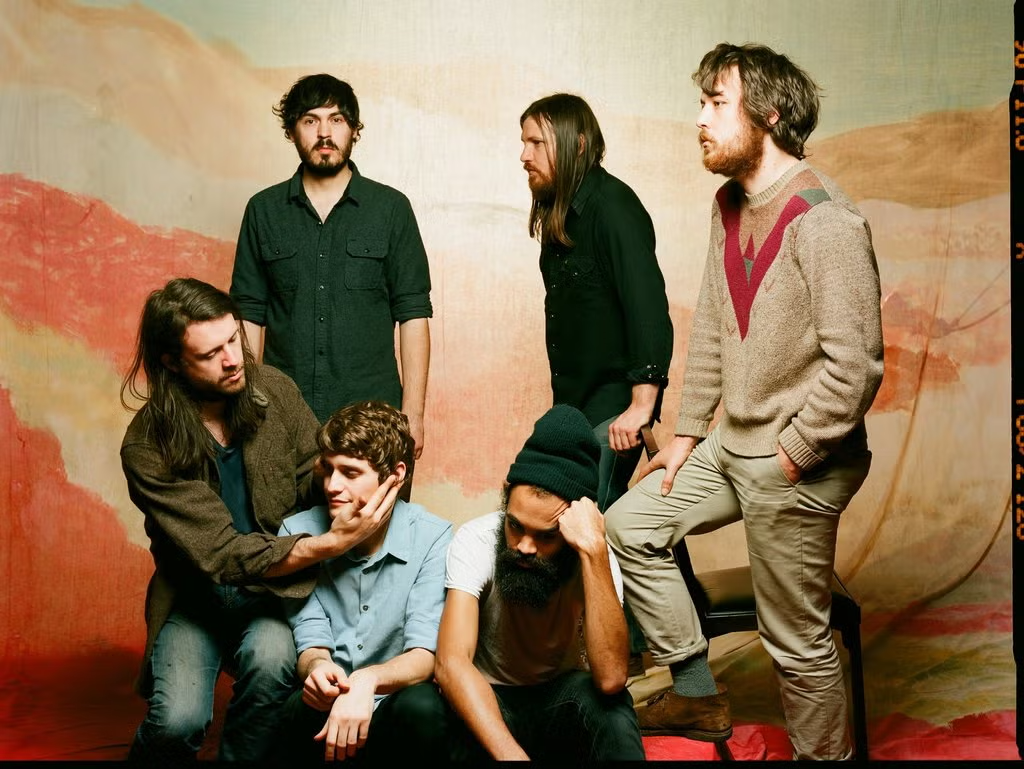
Robin Pecknold and Skyler Skjelset both attended same High School in Kirkland, a suburb of Seattle, and soon became close friends. Their parents influenced their musical tastes early on. Shortly before forming the band, Pecknold played bass for Seattle’s Dolour on a US tour in 2005. Pecknold decided upon “Fleet Foxes”, suggesting that it was “evocative of some weird English activity like fox hunting”. Pecknold took up the role of principal songwriter, both singing and playing guitar, while Skjelset played lead guitar. The original lineup was filled out by Bryn Lumsden on bass, Casey Wescott on keyboards and backing vocals, and Nicholas Peterson on drums and backing vocals. Pecknold’s late-sixties pop style caught the attention of the Seattle producer Phil Ek and he helped them record their first demo in 2006, the self-released Fleet Foxes EP. Ek was impressed with the band’s songwriting, and the Seattle press began to take notice of the band. Tom Scanlon of the Seattle Times stated that he was impressed with the band’s lyrics and musical maturity. By the end of the year, Lumsden had been replaced on bass by Craig Curran, who would also handle many of the band’s vocal harmonies. Although the band had not released any of their recordings, they benefited from word-of-mouth exposure and their success soon translated into a record deal, signing with Warner Music subsidiary record label Sub Pop in January 2008.
The band tracked their second EP, Sun Giant, at Bear Creek Studio. Before the recording of the EP, bassist Curran was replaced by Christian Wargo, whose voice, like that of his predecessor, would become an important part of the band’s harmony blend. In May 2008, the band chose to extend their North American and European tour until September in support of their forthcoming album. At this time Josh Tillman replaced Peterson on drums and backing vocals. Their first full-length album, Fleet Foxes, was released shortly afterwards in June 3, 2008. The album achieved similar critical success as the previous EP. While the group enjoyed moderate success in the United States, Fleet Foxes was better received in Europe. The band sold out music venues for their tours of Australia, New Zealand and the United Kingdom, reaffirming their growing popularity. The album, Helplessness Blues, was released in May 2011. The album features a new six-piece band line up, with the addition of the former Blood Brothers bassist Morgan Henderson on upright bass and woodwind instruments. On January 18, 2012, after the band had finished touring for the album, drummer Tillman announced that he had left the band. He would go on to re-invent himself and record several albums as Father John Misty. In April 2014, Robin Pecknold posted to the band’s Facebook page that he had moved to New York to get his undergraduate degree at the Columbia University School of General Studies, a liberal arts college of Columbia University in New York City. In May 2016, Pecknold confirmed that Fleet Foxes were working on new material with drummer and frequent collaborator Neal Morgan, best known for his work with Joanna Newsom and Bill Callahan. In March 2017, Fleet Foxes announced their third studio album, Crack-Up, released in June 2017, via Nonesuch Records, a new label for the band. Work began on a fourth studio album in late 2018, not long after the Crack-Up tour finished. Due to a desire to release the album quickly, Pecknold did not enlist the help of bandmates Skjelset, Wescott, Wargo, or Henderson. The album was announced in September 2020; titled Shore. The album received universal acclaim, and was listed among the best albums of the year by numerous publications. It was nominated for Best Alternative Music Album at the 64th Annual Grammy Awards., Since then Fleet Foxes have engaged in virtual performances, extensive live tours, live album releases, and ongoing work on new material. Pecknold also played intimate solo acoustic dates in the Northeast U.S. in April 2026
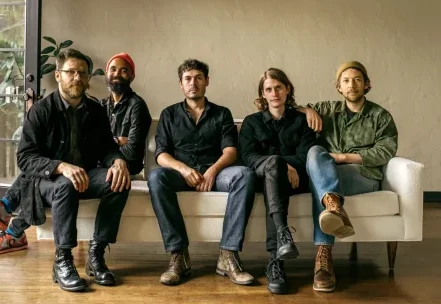
Sound quality is important and the better online Streaming services will offer superior sound quality. As always, We do encourage you to purchase Favoured albums from good online or High street record stores. Fleet Foxes – Fleet Foxes, Helplessness Blues – Label : Sub Pop ; Crack Up – Label : Nonesuch ; Shore – Label : Anti-
Artists in upcoming issues: Mumford & Sons, Joni Mitchell, Jethro Tull, Big Thief, Paul Simon.……Keep Listening!!