Rap Music – Issue #2
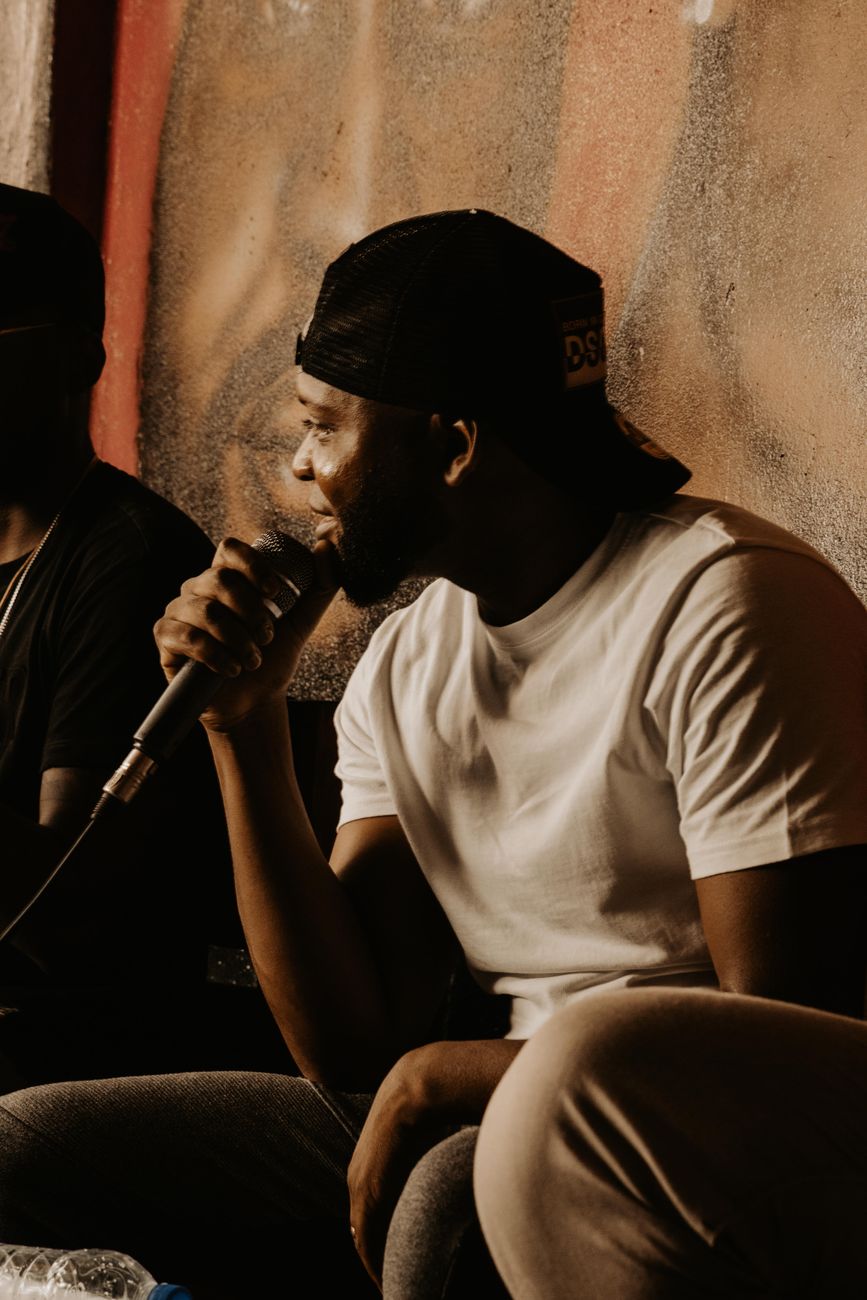
Rap music is stylistically and lyrically diverse, representing a range of experiences and worldviews. originating in the Bronx, New York City, in the early 1970s. It features rhythmic, rhyming speech delivered over a musical backdrop, known as a beat or instrumental track. Its earliest performers comprise MCs (derived from master of ceremonies but referring to the actual rapper) and DJs (who use and often manipulate pre-recorded tracks as a backdrop to the rap), break dancers and graffiti writers. Rap music is a musical form of vocal delivery that is a primary component of hip-hop culture. Early pioneers like Grandmaster Flash and DJ Grand Wizard Theodore developed key techniques such as scratching and looping “break beats”—instrumental sections of songs that people could dance to. The core elements of rap include: Content: The lyrics, which often incorporate “street vernacular” and address a wide range of social and political issues, such as racism and poverty. Flow: The rhythm and rhyme scheme of the delivery. Delivery: The cadence, tone, and vocal qualities used by the rapper (MC). The Beat: The instrumental accompaniment, typically created by a DJ or producer using turntables, samplers, drum machines (like the iconic 808 drum machine), and synthesizers. Sampling and the evolution of rap and hip hop go hand in hand. Essentially, this comes down to combining old classics with contemporary sounds.Rap music has deep cultural roots and several precursors: The tradition of rhythmic storytelling by West African griots over drums is often cited as an early precursor; African American Traditions Influences blues and jazz vocal styles; Jamaican Toasting (or Deejaying) A Rhythmic Chanting or Talking Style Performed over a Beat; “playing the dozens,” a verbal game where participants exchange witty insults about each other’s family to demonstrate verbal skill and coolness without getting genuinely angry, evolving into ‘battle rap.’ and 1960s African American poetry and spoken word artists like The Last Poets and Gil Scott-Heron.
Changes to the musical production of hip-hop, along with growing stylistic diversity and advances in technology, led to the community-imposed concept of an old and new school. The “Old School” is associated with the period from the early 1970s to the mid-1980s. Rap gained commercial viability in 1979 with The Sugarhill Gang’s “Rapper’s Delight” and later with artists like Kurtis Blow. “New School” rap was coined by the 2nd generation artist (1984) to distinguish the pop sensibilities of the first commercial generation of rap artists and ranged from the pop-oriented humorous style of the Fat Boys, for example, to the rock-oriented sounds of say, Run-D.M.C. Women rappers like Queen Latifah introduced Black women’s point of view to rap fans and proved that they were as skilled and commercially successful as the men.The chaotic sounds of Public Enemy and N.W.A became known as hardcore. The harsh lyrical content mirrored the deteriorating conditions of the inner-cities and pushed the boundaries of lyrical complexity and social commentary. also known as “conscious” rap and a sub-genre “gangsta” rap characterized by its lyrical focus on the often-violent realities of inner-city life, including crime, gang activity, and drug dealing. In the 2000s, hip-hop music was mainstream.Kanye West’s production and lyricism redirected attention away from gangsta rap and explored a range of topics including his middle-class upbringing, anti-Black racism, corporatism, and his faith presented in full ‘boasting’ style. Additionally, Eminem will become a most revered lyricist, by rap artists and rap fans alike. Encouraging white artists to Foster relationships with people of colour and follow their lead in dismantling oppressive systems. a legacy of Vanilla Ice the first solo white rapper to achieve commercial success in 1990. Musically, music-making turned away from the East Coast and the West coast and found a new home in the South. Several epicentres develop influential styles: Miami (Miami bass), New Orleans (bounce), Houston (screwed), and Atlanta (crunk and trap). By the 2010s, socially conscious rap will cross over into the mainstream as R&B and rap artists respond to tension borne from increased police and vigilante shootings of unarmed Black men, women, and children, and from advances in technology for self-production and instant sharing through social media. Key artists include Kendrick Lamar. In the 2010s we witness the rise of female MCs as producers of critically acclaimed albums. Women leading the trend include Nicky Minaj and Cardi B. By the 21st century, Rap had become a global phenomenon, influencing music, fashion, and culture worldwide. Fame in rap often comes with mainstream success and cultural impact, and few have shaped culture like Jay-Z. From his fluid rhymes about hustle and heartache to becoming a mogul in music and business, his influence spans beyond music charts to fashion and social activism.

Music Remains deeply personal, We hope to Highlight albums that evoke images, memories, and emotions to spark debate and Broaden your Horizons, step out of Your comfort zone and expand your music taste and experiences.
Join the Conversation!!!
We will Feature Up to 4 Albums from Artists representative of a range of the Many sub-genres. We Hope to encourage Listeners of all tastes and passions. So Get your Headphones on and Consider discussing the musical Offering and sharing your views with like-minded peers.
In Issue #2, We Feature Jay Z
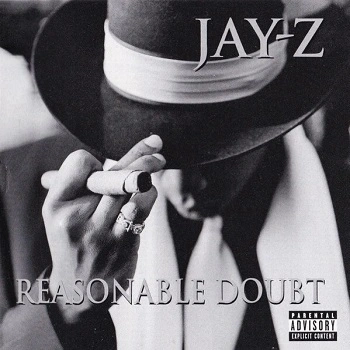
Reasonable Doubt is the debut studio album by American rapper Jay-Z. It was released on June 25, 1996, by his own record label Roc-A-Fella Records and distributed by Priority Records. The album features guest appearances from Memphis Bleek, Mary J. Blige, Jaz-O, and the Notorious B.I.G., among others. The album features gangsta / mafioso rap themes a subgenre of hip-hop that conveys the culture, values, and experiences of urban gangs and street hustlers, frequently discussing unpleasant realities of the world in general through an urban lens. The album features several essential, defining tracks that shaped East Coast mafioso rap: “Dead Presidents II” – Produced by Ski Beatz, this track features a classic sample of Nas (“I’m out for dead presidents to represent me”) and stands as one of Jay-Z’s most iconic lyrical performances. “Can’t Knock the Hustle” (feat. Mary J. Blige) – The smooth, soul-infused opening track that sets the luxurious, high-stakes tone of the entire project. “D’Evils” – A dark, atmospheric street-noir track produced by DJ Premier that explores the corrupting nature of money and power in the drug game. “Brooklyn’s Finest” (feat. The Notorious B.I.G.) – A high-profile, masterclass collaboration pairing two of Brooklyn’s greatest lyricists trading intricate verses. “Can I Live” – Produced by DJ Irv, this introspective track blends soulful horns with sharp reflections on survival, paranoia, and ambition. “Feelin’ It” (feat. Mecca) – A laid-back, melodic summer-vibes cut produced by Ski Beatz that showcased Jay-Z’s more relaxed crossover appeal. “Friend or Foe” – A short, sharp storytelling track produced by DJ Premier where Jay-Z lays down the law to rival dealers in a cinematic narrative. “22 Two’s” – A wordplay-heavy interlude built on the homophones “to, too, and two” over a crisp Ski Beatz production
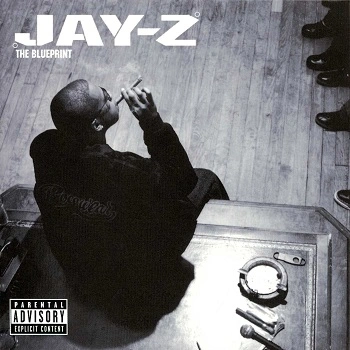
The Blueprint is the sixth studio album by American rapper JAY-Z, released in September 2001, through Roc-A-Fella Records and Def Jam Recordings. It is widely considered one of the greatest hip-hop albums of all time and a pivotal moment in JAY-Z’s career. The album is famous for its soul-based sampling. It served as a breakout for producers Kanye West and Just Blaze. West produced four tracks, Key Tracks: “Izzo (H.O.V.A.)” The album’s lead single and Jay-Z’s first top ten hit on the Billboard Hot 100. Produced by a young Kanye West, it features a pitch-up sample of The Jackson 5’s “I Want You Back” and served as the ultimate anthem celebrating his survival and corporate rise. “Takeover” A legendary hip-hop diss track aimed primarily at Nas and Mobb Deep’s Prodigy. Produced by Kanye West, it utilizes a heavy sample of The Doors’ “Five to One” and David Bowie’s “Fame” to systematically break down his rivals. “Song Cry” One of the most vulnerable and introspective moments in Jay-Z’s discography. Produced by Just Blaze, the track finds the rapper reflecting on how his fame and mistakes ruined a past relationship, expressing regret that his pride won’t allow him to cry—so he lets the song cry instead. “Renegade” (feat. Eminem) The only track on the entire album to feature a guest rapper. Produced by Eminem, the song serves as a lyrical masterclass where both artists defend their art and combat societal criticism over their controversial impact on youth culture. “Heart of the City (Ain’t No Love)” Another Kanye West-produced masterpiece built on a prominent Bobby “Blue” Bland sample. Jay-Z addresses the jealousy and hate he faces from his peers as he reaches the absolute peak of the rap game. “Girls, Girls, Girls” A massive commercial highlight produced by Just Blaze. Driven by a playful, soulful backdrop, Jay-Z charismatically details his encounters with different women from all walks of life, featuring uncredited background vocals from Q-Tip, Slick Rick, and Biz Markie. “U Don’t Know” An absolute power-anthem produced by Just Blaze. Driven by an aggressive, triumphant Bobby Byrd sample, Jay-Z draws parallels between his hustling mindset and his corporate business savvy.
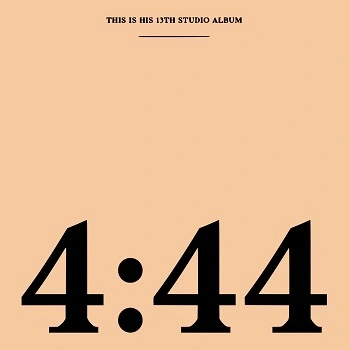
4:44 is the thirteenth studio album by American rapper JAY-Z, released in June 2017. Produced entirely by No I.D., the album is a highly personal and introspective work that addresses themes of infidelity, black excellence, and generational wealth. The opening track, The album is noted for its concise 10-track structure and soulful, sample-heavy production by No I.D., featuring samples from artists like Nina Simone, Stevie Wonder, and Marvin Gaye. Key Tracks include: “4.44”: The emotional core and title track of the album, written at 4:44 a.m. as a raw, direct apology to Beyoncé for his extramarital affairs. “The Story of O.J.”: A heavy, Nina Simone-sampled track exploring generational wealth, Black financial freedom, and systemic economics. “Smile” (feat. Gloria Carter): An uplifting and vulnerable song where Jay-Z’s mother, Gloria Carter, publicly comes out as a lesbian, backed by Stevie Wonder samples. “Family Feud” (feat. Beyoncé): A complex track addressing cultural divides, industry ego, and the fallout from Beyoncé’s Lemonade. “Kill Jay Z”: The introspective opening track serving as an ego death and a harsh self-critique regarding his personal and public mistakes. “Bam” (feat. Damian Marley): A reggae-infused jam built on a classic Sister Nancy sample that balances the heavier themes of the record with swagger.
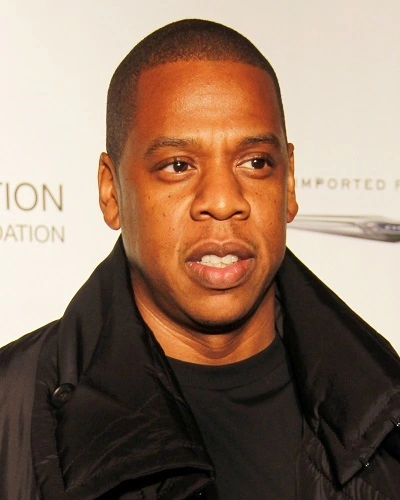
Jay-Z was born as Shawn Corey Carter in the Brooklyn borough of New York City. After their father Adnis Reeves abandoned the family, Jay-Z and his three siblings were raised by their mother, Gloria Carter. Jay-Z claims in his lyrics that in 1982, at age 12, he shot his older brother in the shoulder for stealing his jewellery. According to his interviews and lyrics, he sold crack cocaine and was shot at three times during his youth. Jay-Z can be briefly heard on several of the rapper and producer Jaz-O’s early recordings in the late 1980s and early 1990s.He made several other appearances on other artist’s recordings before his first official rap single “In My Lifetime”, which was released with an accompanying music video in 1995. Jay-Z released his 1996 debut album Reasonable Doubt with beats from acclaimed producers such as DJ Premier and Super DJ Clark Kent and an appearance by The Notorious B.I.G. The album reached number 23 on the Billboard 200 and went gold that year. After reaching a new label distribution deal with Def Jam in 1997, the release of a follow-up album In My Lifetime, Vol. 1. Featuring production by Sean Combs, DJ Premier, and Ski, it earned platinum status in the United States. In 1998, Jay-Z released Vol. 2… Hard Knock Life which would eventually become his most commercially successful album and went on to win a Grammy Award. In 1999 he released Vol. 3… Life and Times of S. Carter. The album proved successful and sold over 3 million copies. In 2000, Jay-Z released The Dynasty: Roc La Familia, which was originally intended to become a compilation album for Roc-A-Fella artists but Def Jam turned it into a Jay-Z album. This is also the first album where Jay-Z utilizes a more soulful sound than his previous albums.
On September 11, 2001, Jay-Z released his sixth studio album, The Blueprint. The album was selected by the Library of Congress for preservation in the National Recording Registry for being “culturally, historically, or aesthetically significant”.A seventh studio album in 2002 – a double album featuring an extensive tracklist – The Blueprint 2: The Gift & The Curse. serves as a direct sequel to his critically acclaimed 2001 album. He worked with differing producers in 2003 on his eighth album, The Black Album which went on to sell over 3 million copies in the U.S. Initially promoted as his final studio album before a supposed retirement. The album features 14 tracks, each with a different producer, showcasing a variety of styles.Jay-Z returned with his comeback album on November 21, 2006, titled Kingdom Come. Some Reviewers felt the album lacked the energy and classic anthems of his earlier work, with some finding his flow “uninterested” on certain tracks and the production inconsistent. The collaboration with Chris Martin on the title track and album closer “Beach Chair” was a point of particular discussion among critics. Over time, some fans and critics have reappraised the album, appreciating its artistic risks and thematic depth.A tenth album entitled American Gangster released in November 2007. After viewing the Ridley Scott film of the same name, Jay-Z was heavily inspired to create a new “concept” album that depicts his experiences as a street-hustler. The album is widely considered a return to form for Jay-Z and a classic in his discography. Jay-Z’s 11th studio album The Blueprint 3 was released in September 2009. It is the final instalment in his Blueprint album series and features some of his biggest commercial hits, including “Empire State of Mind” and “Run This Town”
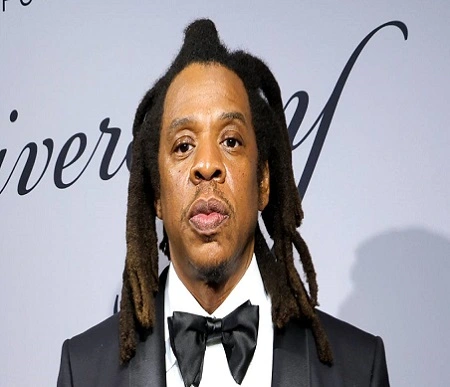
The twelfth studio album, Magna Carta… Holy Grail, was released on July 4, 2013. and met with mixed reviews from music critics. Some complimented the album’s production and composition, while others were disappointed with its overall theme and found many songs repetitive. In 2017, Jay-Z released his 13th solo studio album, 4:44 The entire 10-track album was produced by the veteran Chicago beat-maker No I.D., creating a cohesive, soulful, sample-based sound that avoids contemporary trends and focuses on the lyrics. Jay-Z is married to singer Beyoncé They have three children: daughter Blue Ivy and twins Rumi and Sir Carter. although known as a rapper, producer, entrepreneur, and perhaps most famously, as Beyoncé’s husband, he has a multi-billion-dollar fortune which gives him the distinction of being the world’s richest musician.
Sound quality is important and the better online Streaming services will offer superior sound quality. As always, We do encourage you to purchase Favoured albums from good online or High street record stores. Kendrick Lamar – Label: – Top Dawg Entertainment
Artists in upcoming issues: Nicki Minaj, Eminem………..Keep Listening!! JOIN THE CONVERSATION…