Join the Conversation!!!
We will Feature Up to 4 Albums from Artists representative of a range of the Many sub-genres. We Hope to encourage Listeners of all tastes and passions. So Get your Headphones on and Consider discussing the musical Offering and sharing your views with like-minded peers.
Rock Music – Issue #17
Rock music’s history is glorious. But who are it’s greatest rock bands and artists?
Over the years Many Disparate rock music sub-genres have emerged. hybrids like blues rock, folk rock, country rock, Progressive Rock, Psychedelic Rock, Glam Rock, Heavy Metal, Punk, Electronic, Etc. Have their Fans and Critics. From the ’90s alternative Rock achieves dominance. New genres, like grunge, Britpop, Hip Hop and indie Rock enter the mainstream. each with their own Unique Characteristics, Style, and Cultural Significance. Rock music has long been linked with political activism. Together with changes in social attitudes to race, sex, and drug use. Rock Music has assimilated cultural and social Movements -mods, rockers, Punks and the hippie movement for example. the music both reflects society and influences society.The evolution of Rock Music has been inextricably linked to technological advancements. from the invention of the electric guitar to the rise of digital streaming platforms. Thus Music became ubiquitous, whether in public places or in the home. Music is a form of human conversation
In Issue #17, We Feature Talking Heads
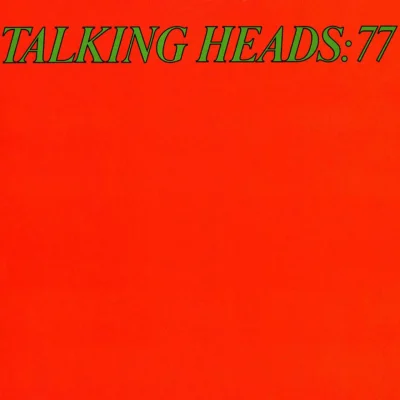
Talking Heads: 77 introduced a radically distinct, art-school approach to the New York post-punk scene. Unlike their raw, aggressive CBGB peers like the Ramones, Talking Heads subverted rock conventions using taut minimalism, clinical emotional detachment, and highly danceable Afro-Caribbean and R&B-infused grooves. Tracklist: “Uh-Oh, Love Comes to Town” – Sunny, syncopated, and deceptively upbeat. Anchored by unexpected steel drums and an R&B rhythm, this opener subverts the traditional “pop love song”. “New Feeling” – Twitchy, scratchy guitars and syncopated basslines, delivered with the band’s hallmark “dry” sonic mixing that strips away comforting rock reverb. “Tentative Decisions” – Jerky, mid-tempo groove punctuated by sudden dynamic shifts. Lyrically, it highlights the divide between gender perspectives and structural logic. “Happy Day” – Slower, spacey, and experimental. Jerry Harrison’s minimalist Farfisa keyboard stabs give it an eerie, almost computer-like atmosphere that undercuts the sunny theme. “Who Is It?” – High-velocity, brief, and highly aggressive punk-funk. The brief track plays out like an interrogation or a panicked response to a knock at the door, showcasing the rhythmic tightness of Tina Weymouth and Chris Frantz. “No Compassion” – Complex, shifting rhythms with an architectural song structure. “The Book I Read” – Bright, pop-adjacent hook driven by a driving rhythm section. “Don’t Worry About the Government” – Sweet, deceptively simple acoustic-electric folk-pop. “First Week/Last Week… Carefree” – Jazz-tinted, featuring avant-garde horns and a rolling groove. The title’s promise of being “carefree” is heavily ironized by a nervous, staggered rhythm that suggests the transition into routine is anything but relaxing. “Psycho Killer” – Threatening, minimalist bassline with explosive, jittery guitar climaxes. The album’s breakthrough masterpiece. “Pulled Up” Hyperactive, ecstatic, and frantic energy. The perfect closing track. Byrne yelps and gasps through a manic testimonial about being saved from the brink of collapse by a support system It leaves the album on a note of exhausting, triumphant, and somewhat terrifying relief.
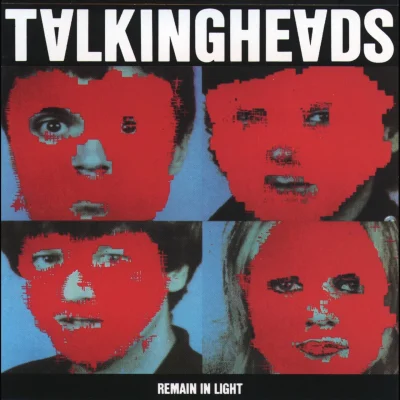
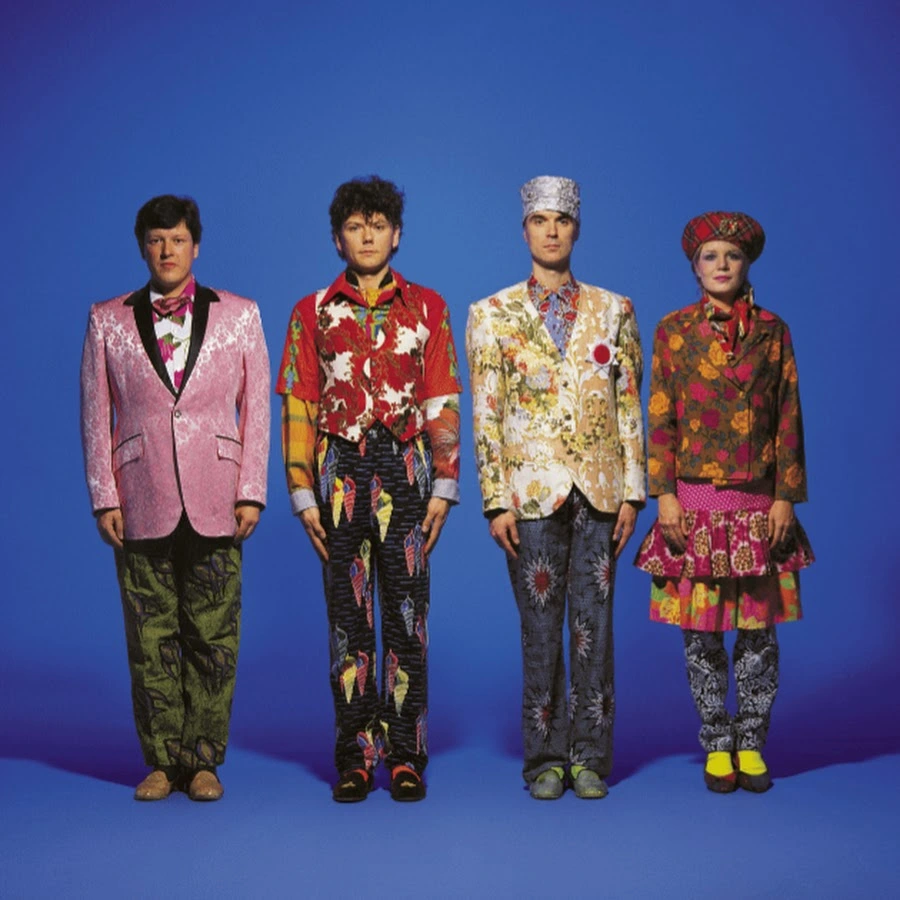
Remain In Light released in October 1980, produced by Brian Eno. Built on West African polyrhythms, single-chord grooves, and stream-of-consciousness lyrics, the album is divided into an energetic first half and a moody, atmospheric second half. Tracklist: 1. Born Under Punches (The Heat Goes On): A frantic, multi-layered groove starts running before David Byrne’s vocals enter, featuring syncopated drums and Tina Weymouth’s staccato bassline. Adrian Belew (and Byrne via delay effects) injects guitar parts that sound like mechanical stutters. Themes running through of paranoia, government mind control, and urban anxiety. 2. Cross-eyed and Painless: Powered by cowbell loops, congas, bells, and a twitchy, unresolved funk groove, featuring a rapid-fire spoken-word section inspired by early hip-hop. The track centres around truth, information overload, and social isolation. 3. The Great Curve: Layered choral/backing vocals and polyrhythms, featuring a combative, high-voltage guitar solo by Adrian Belew. 4. Once in a Lifetime: Built on a famous rhythmic displacement where Byrne’s vocal phrasing plays against the band’s downbeat in portrayals of existential dread, middle-class routine, and alienation. 5. Houses in Motion: Cooling down into a heavy, hypnotic, bass-heavy funk groove accompanied by atmospheric synthesizer flourishes to highlight shifting modern environments. 6. Seen and Not Seen: A minimalist, ambient beat-prose piece delivered in Byrne’s deadpan monotone over shimmering Eno synthesizer textures. 7. Listening Wind: A slow, spacious, non-funky track with windswept audio textures and a haunting, world-music-inspired cadence. 8. The Overload: A slow, dark, creeping post-punk closer recorded to evoke a heavy, brooding atmosphere.
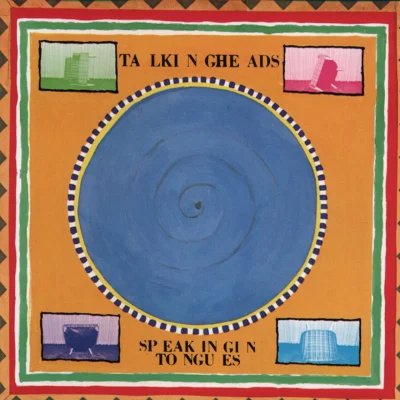
Speaking in Tongues released in 1983 as their fifth studio album, marking a commercial breakthrough and a shift toward accessible funk-pop after parting ways with producer Brian Eno. 1. “Burning Down the House”: High-energy P-Funk-inspired opener with an infectious syncopated bassline and defined their transition into dance-rock. 2. “Making Flippy Floppy”: Lanky, percussive groove channelling the angular polyrhythms of Remain in Light mixed with a modern electronic pulse. Highlights David Byrne’s stilted, rhythmic vocal delivery and tight band interplay. 3. “Girlfriend Is Better”: Pop-funk peak driven by Bernie Worrell’s bouncy, zigzagging synthesizers. 4. “Slippery People”: Gospel-infused call-and-response hybrid combining rock edge with soulful backing vocals (featuring Nona Hendryx). Showcases the expanded session line-up bringing a communal, revival-like energy to the stage.5. “I Get Wild / Wild Gravity”: Hypnotic, fast-paced funk rocker with dense percussion and jittery guitar work. 6. “Swamp”: Gritty, blues-inflected stomp channelling a John Lee Hooker-style growl. Contrasts dry New Wave precision with a dirty, humid Southern-funk atmosphere. 7. “Moon Rocks”: Spacey synthesizer arrangements coupled with plainspoken, surrealist lyrics. Delivers a lighter, buoyant mid-tempo groove. 8. “Pull Up the Roots”: Upbeat, disco-flirting rhythm track with bright, looping guitar hooks. 9. “This Must Be the Place (Naïve Melody)”: Tender, unconventional synth-pop love song built on a singular, warm keyboard/guitar motif. Serves as an emotionally sincere and universally beloved closer that subverts Byrne’s usual ironic detachment.
G N’ R Lies released in November 1988. The album is split into two distinct halves: Side One features four “faux-live” studio tracks from their 1986 EP Live ?!@ Like a Suicide*, and Side Two features four acoustic-based tracks. 1. “Reckless Life” This fast-paced opener captures the band’s raw, pre-fame grit. It sets a high-energy tone about living on the edge with no money, cigarettes, and cheap thrills. 2. “Nice Boys” A high-octane cover of Australian punk-rock band Rose Tattoo. Duff McKagan’s punk roots shine through here, giving the band a rebellious, dirty-barroom swagger. 3. “Move to the City” Inspired by Aerosmith-style hard rock, this track features brass instrumentation and a swaggering blues-metal groove. 4. “Mama Kin” A direct tribute to one of their biggest musical inspirations (Aerosmith). It is a fast-moving, high-voltage hard rock cover that fits seamlessly into their live-in-the-studio party persona. The 1988 Acoustic Tracks: 5. “Patience” The standout acoustic power ballad of the album driven by interlocking acoustic guitar work from Slash and Izzy Stradlin and Axl’s iconic whistling, it remains a defining track of late-80s rock. 6. “Used to Love Her” A deceptively cheerful, country-tinged acoustic tune with darkly comedic (and heavily criticized) lyrics about murdering an annoying partner. Written mostly as a dark joke rather than a serious manifesto, it highlights their twisted sense of humour. 7. “You’re Crazy” Reimagined here from its frantic, high-speed electric version on Appetite for Destruction into a laid-back, mid-tempo acoustic romp. Stripping away the distortion gives the track a more rootsy, campfire-blues vibe. 8. “One in a Million” A slow, finger-picked acoustic ballad that became the album’s major point of severe controversy due to explicit, racially and sexually charged slurs. Musically melodic and vulnerable, lyrically it remains one of the most divisive and condemned songs in the band’s catalogue.
In 1973, Rhode Island School of Design students David Byrne (guitar and vocals) and Chris Frantz (drums) formed a band, the Artistics. Frantz has described the Artistics as a “prototype punk band” that would perform a number of covers, including “Psycho” by the Sonics, the Who’s “I Can’t Explain” and Al Green’s “Love and Happiness”, live. Fellow student Tina Weymouth, Frantz’s girlfriend, often provided transportation. The Artistics dissolved the following year, and the three moved to New York City, eventually sharing a communal loft. After they were unable to find a bassist, Weymouth took up the role. Frantz encouraged Weymouth to learn to play bass by listening to Suzi Quatro albums. Byrne asked Weymouth to audition three times before she joined the band. The band played their first gig as Talking Heads—opening for the Ramones at CBGB in the East Village—on June 5, 1975. Later that year, the band recorded a series of demos for CBS, but did not receive a record contract. However, they drew a following and signed to Sire Records in November 1976. They released their first single in February the following year, “Love → Building on Fire”. In January 1977, they added Jerry Harrison, formerly of the Modern Lovers, on keyboards, guitar, and backing vocals. Gary Kurfirst started managing Talking Heads in 1977.The first Talking Heads album, Talking Heads: 77, received acclaim and produced their first charting single, “Psycho Killer”. Many connected the song to the serial killer known as the Son of Sam, who had been terrorizing New York City months earlier; however, Byrne said he had written the song years prior. Weymouth and Frantz married in 1977.
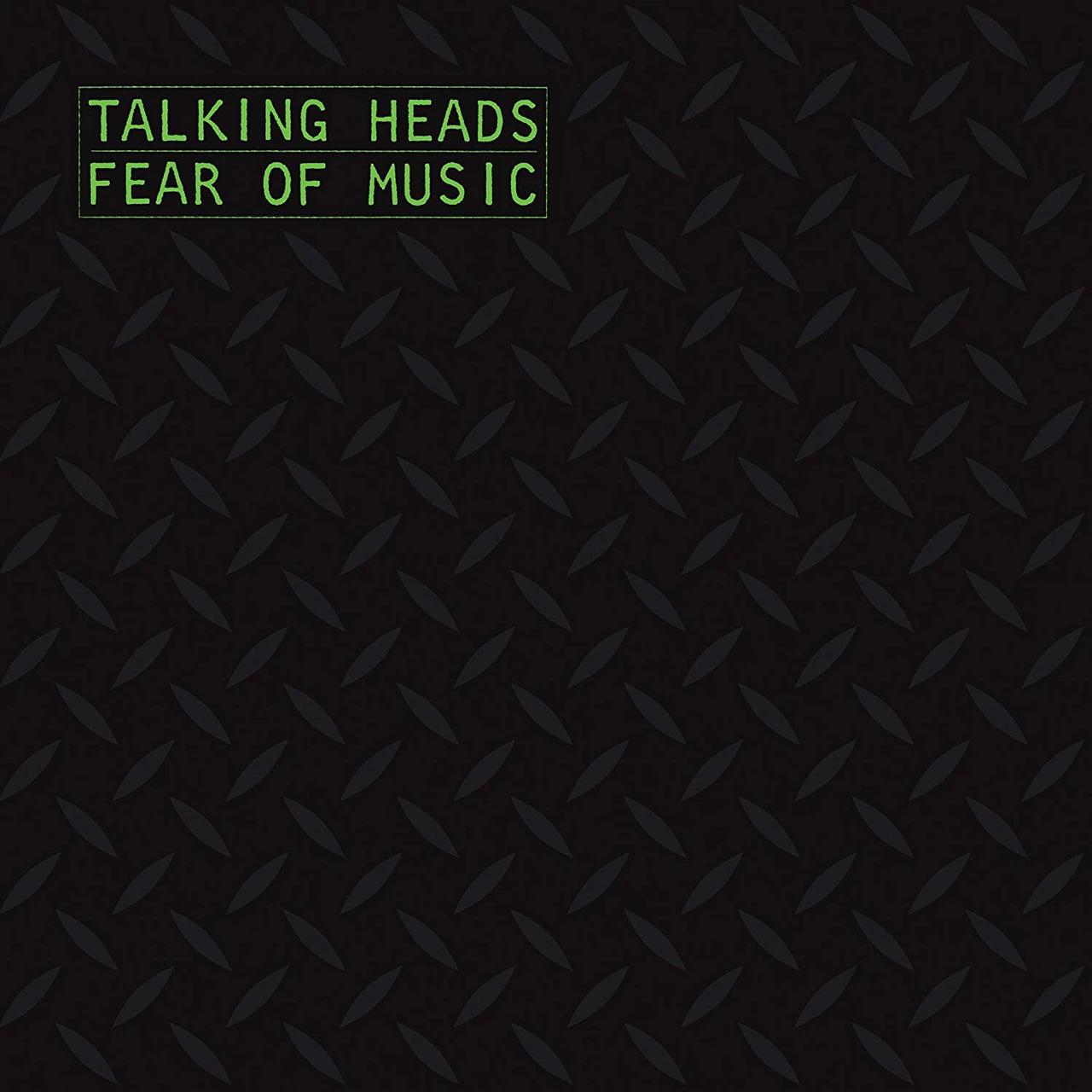
More Songs About Buildings and Food (1978) was Talking Heads’ first collaboration with producer Brian Eno. Eno’s unusual style meshed with the group’s artistic sensibilities, and they began to explore an increasingly diverse range of musical directions—from psychedelic funk to Afrobeat, influenced prominently by Fela Kuti and Parliament-Funkadelic. This recording also established the band’s relationship with Compass Point Studios in Nassau, The Bahamas. More Songs About Buildings and Food included a cover of Al Green’s “Take Me to the River”, which brought Talking Heads into the public consciousness and gave them their first Billboard Top 30 hit. The collaboration continued with Fear of Music (1979), which mixed the darker stylings of post-punk rock with funk and subliminal references to the geopolitical instability of the late 1970s. Remain in Light (1980) was heavily influenced by Fela Kuti, whose music had been introduced to the band by Eno. It explored West African polyrhythms, weaving these together with music from North Africa, disco, funk, and “found” voices. These combinations foreshadowed Byrne’s later interest in world music. To perform these more complex arrangements, the band toured with an expanded group, including guitarist Adrian Belew and keyboardist Bernie Worrell among others. During this period, Weymouth and Frantz formed a commercially successful splinter group, Tom Tom Club, influenced by the foundational elements of hip-hop, and Harrison released his first solo album, The Red and the Black. Byrne and Eno released My Life in the Bush of Ghosts, which incorporated world music. After releasing four albums in barely four years, the group went on a recording hiatus, and nearly three years passed before their next release, although Frantz and Weymouth continued to record with Tom Tom Club. In the meantime, Talking Heads released the live album The Name of This Band Is Talking Heads, toured the United States and Europe as an eight-piece group, and parted ways with Eno, who went on to produce albums with U2.
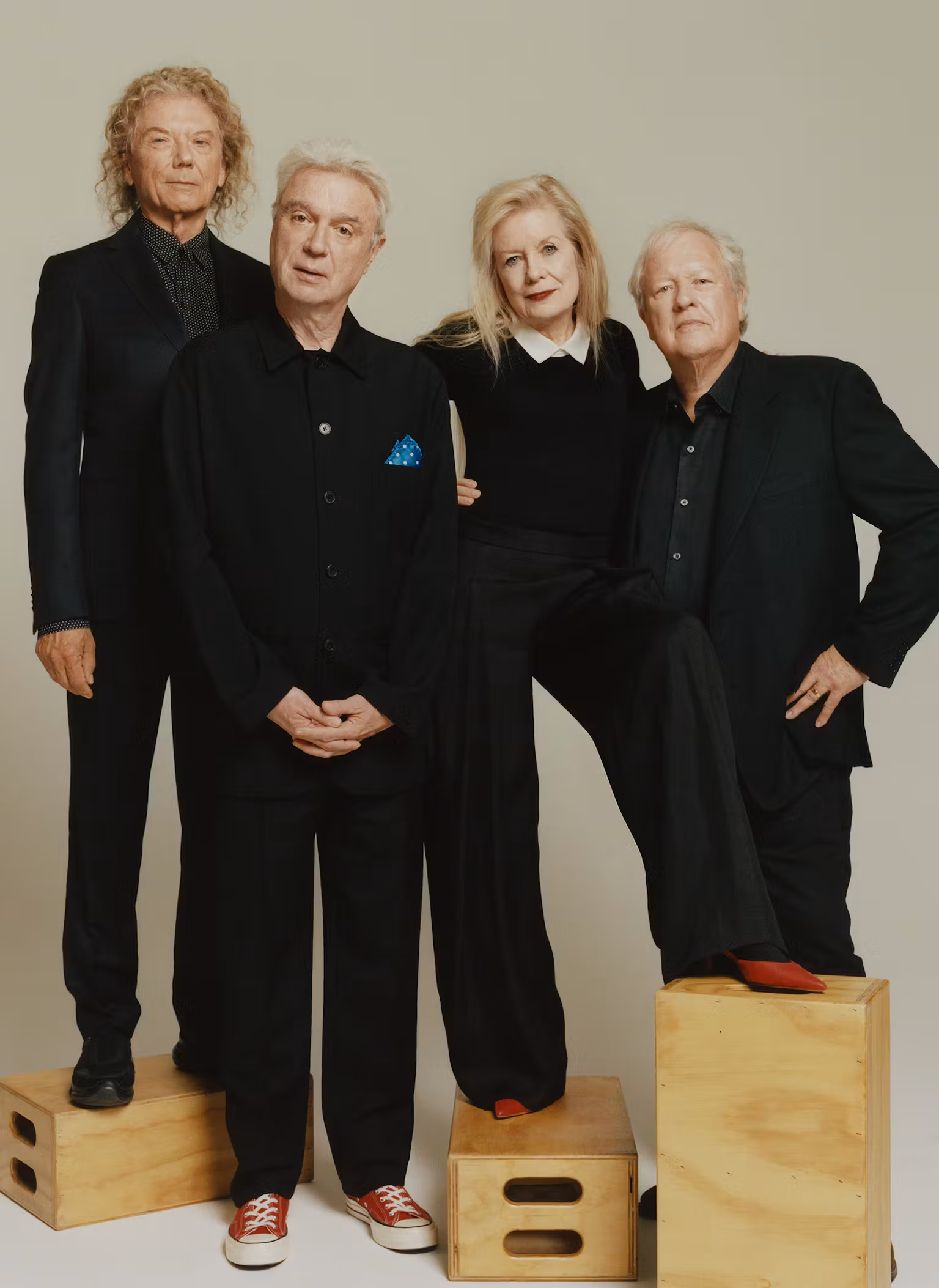
1983 saw the release of Speaking in Tongues, a commercial breakthrough. The following tour was documented in Jonathan Demme’s Stop Making Sense, which generated another live album of the same name. The tour in support of Speaking in Tongues was their last. Three more albums followed: 1985’s Little Creatures (which featured the hit singles “And She Was” and “Road to Nowhere”), 1986’s True Stories (Talking Heads covering all the soundtrack songs of Byrne’s musical comedy film, in which the band also appeared), and 1988’s Naked.Little Creatures offered a much more American pop-rock sound as opposed to previous efforts. Similar in genre, True Stories hatched one of the group’s most successful hits, “Wild Wild Life”, and the accordion-driven track “Radio Head”. Naked explored politics, sex, and death, with much African influence of polyrhythmic styles like those seen on Remain in Light. During that time, the group was falling increasingly under David Byrne’s control, and after Naked, the band went on “hiatus”. In 1987, Talking Heads released a book by David Byrne, What the Songs Look Like: Contemporary Artists Interpret Talking Heads Songs, with HarperCollins that contained artwork by some of the top New York visual artists of the decade. In December 1991, Talking Heads announced that they had disbanded. Frantz said he learned that Byrne had left from an article in the Los Angeles Times, and said: “As far as we’re concerned, the band never really broke up. David just decided to leave.” Their final release was “Sax and Violins”, an original song that had appeared earlier that year on the soundtrack to Wim Wenders’ Until the end of the World. Byrne continued his solo career, releasing Rei Momo in 1989 and The Forest in 1991.[29] This period also saw a revived flourish from Tom Tom Club (Boom Boom Chi Boom Boom and Dark Sneak Love Action) and Harrison (Casual Gods and Walk on Water), who toured together in 1990. Harrison, Frantz and Weymouth have produced for several artists. Tom Tom Club continues to record and tour intermittently. Weymouth, Frantz, and Harrison toured without Byrne as Shrunken Heads in the early 1990s. In 1996, they released an album, No Talking, Just Head, under the name the Heads. Byrne took legal action to prevent the band using the name the Heads, which he saw as “a pretty obvious attempt to cash in on the Talking Heads name”. The band briefly reunited in 1999 to promote the 15th anniversary re-release of Stop Making Sense, but did not perform together. Talking Heads reunited to play in March 2002, at the ceremony of their induction into the Rock and Roll Hall of Fame, joined onstage by former touring members Bernie Worrell and Steve Scales. Byrne said further work together was unlikely, due to “bad blood” and being musically “miles apart”. Weymouth has been critical of Byrne, describing him as “a man incapable of returning friendship” and saying that he did not “love” her, Frantz, and Harrison. In 2020, Frantz published a memoir about his relationship with Weymouth, Remain in Love, which covered the band’s conflicts. The band members reunited that month for a Q&A at the Toronto International Film for the re-release of their live concert film Stop Making Sense. Byrne said that the band members had become more comfortable with one another, but that he did not want to make new music or tour with Talking Heads. He said: “Musically, I’ve gone to a very different place… It’s pretty much impossible to recapture where you were at that time in your life.” In January 2024, Billboard reported that Talking Heads had turned down $80 million for a reunion tour, which would have included a performance at Coachella. In 2023 and 2025, Harrison and Belew toured with a band performing Remain in Light songs. On June 5, 2025, their 50th anniversary, Talking Heads released a music video for “Psycho Killer” directed by Mike Mills and starring Saoirse Ronan.
Sound quality is important and the better online Streaming services will offer superior sound quality. As always, We do encourage you to purchase Favoured albums from good online or High street record stores. Talking Heads – Fear of Music, Remain in Light,Talking Heads ’77 and Speaking in Tongues – Label : Sire Records
Artists in upcoming issues: Franz Ferdinand, Led Zeppelin, The Replacements ……Keep Listening!!