Rock Music – Issue #5
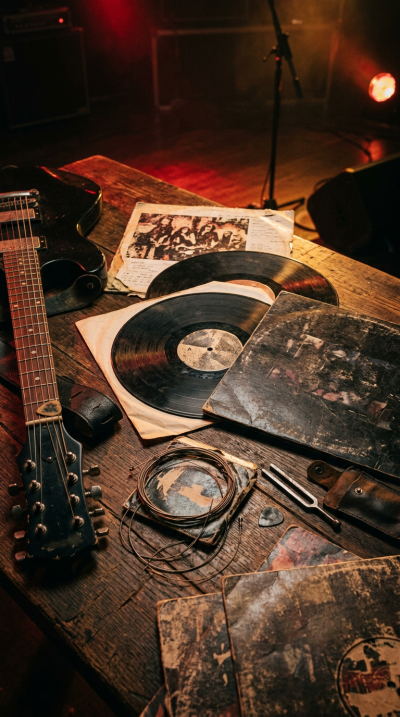
Rock music’s history is glorious. But who are it’s greatest rock bands and artists?
Over the years Many Disparate rock music sub-genres have emerged. hybrids like blues rock, folk rock, country rock, Progressive Rock, Psychedelic Rock, Glam Rock, Heavy Metal, Punk, Electronic, Etc. Have their Fans and Critics. From the ’90s alternative Rock achieves dominance. New genres, like grunge, Britpop, Hip Hop and indie Rock enter the mainstream. each with their own Unique Characteristics, Style, and Cultural Significance. Rock music has long been linked with political activism. Together with changes in social attitudes to race, sex, and drug use. Rock Music has assimilated cultural and social Movements – mods, rockers, Punks and the hippie movement for Example. the music both reflects society and influences society.The evolution of Rock Music has been inextricably linked to technological advancements. from the invention of the electric guitar to the rise of digital streaming platforms. Thus Music became ubiquitous, whether in public places or in the home. Music is a form of human conversation

Music Remains deeply personal, We hope to Highlight albums that evoke images, memories, and emotions to spark debate and Broaden your Horizons, step out of Your comfort zone and expand your music taste and experiences.
Join the Conversation!!!
We will Feature Up to 3 Albums from Artists representative of a range of the Many sub-genres. We Hope to encourage Listeners of all tastes and passions. So Get your Headphones on and Consider discussing the musical Offering and sharing your views with like-minded peers.
In Issue #5, We Feature Radiohead
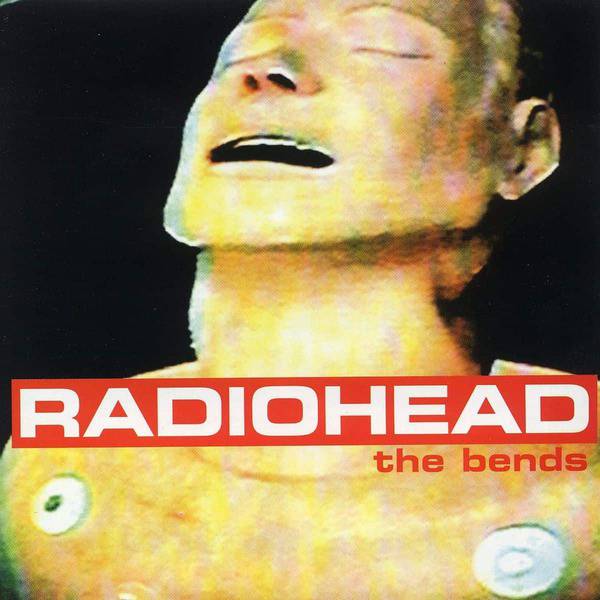
Released in 1995, The Bends is the second studio album It marked a significant evolution toward more multi-layered, alternative rock arrangements with cryptic, introspective lyrics..The Bends is grand and forceful; it resonates with anguish and despair. Tracklist: 1. “Planet Telex” – The album opens with a bold statement of intent. Driven by a swirling, intoxicated Fender Rhodes piano and heavy shoegaze guitar textures. It serves as a bridge toward the more experimental sonic landscapes they would later master. 2. “The Bends” – The title track is an energetic, jaded rock-star satire. It uses a massive wall of guitars to mirror the disorienting, suffocating nature of sudden. 3. “High and Dry” – A remnant of the Pablo Honey recording sessions, this is arguably the most accessible, pop-leaning song on the record, with a gentle acoustic groove and soaring, emotional falsetto delivery made it a massive commercial success. 4. “Fake Plastic Trees” – The emotional heart of the album. This acoustic ballad builds from a fragile whisper into a sweeping, organ-infused climax. Lyrically, it targets the artificiality and consumerism of modern society resulting in a devastatingly beautiful track that remains an all-time classic. 5. “Bones” – A hard-hitting, fast-paced track anchored by an aggressive bassline and U2-esque anthemic guitar chords. The song deals explicitly with the terrifying physical realities of growing old and the reliance on painkillers to cope. 6. “(Nice Dream)” – Featuring a swirling, dreamlike atmosphere, this track feels like a soothing lullaby on the surface. However, it quickly reveals an underlying sense of dread and unfulfilled longing, shifting gears with a chaotic, screeching guitar solo toward the end. 7. “Just” – A masterclass in shifting song structures and intricate guitar work that captures a distinct loud/soft grunge dynamic matched with sharp, biting lyrics aimed at a self-destructive acquaintance. 8. “My Iron Lung” – The song alternates between a beautiful, soothing guitar loop and massive, distorted explosions of heavy rock. Lyrically, a metaphor for how “Creep” both sustained their career and trapped them creatively. 9. “Bullet Proof… I Wish I Was”- A fragile, atmospheric ballad built around acoustic desperation and floating, ambient guitar loops showcasing the band’s softer textures. 10. “Black Star” – Heavily influenced by the guitar jangle of R.E.M., this track features an incredibly strong melody. The upbeat, driving tempo acts as a brilliant disguise for a deeply melancholic song about a crumbling, long-distance relationship and mental health struggles. 11. “Sulk” – Features a sweeping, arena-ready melody and a soaring key change. 12. “Street Spirit (Fade Out)” – A dark, hypnotic masterpiece driven by a bleak arpeggiated guitar line. It remains one of Radiohead’s purest, most tragic pieces of music.
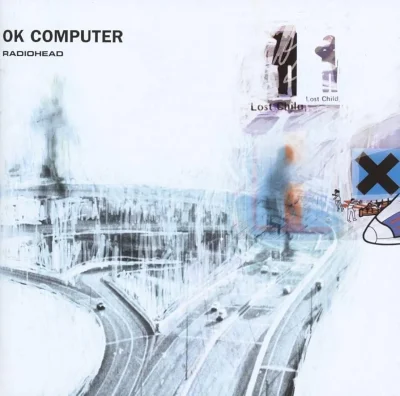
OK Computer is widely regarded by music critics as one of the greatest and most structurally cohesive albums of all time. The tracklist is meticulously sequenced to create a thematic loop exploring modern alienation, technological claustrophobia, and social burnout. Tracklist: 1. “Airbag” – establishes the album’s core theme: technology as both a saviour and a harbinger of death.hip-hop-inspired drum loop and jagged Jonny Greenwood guitar riffs, it sets an immediate, uneasy atmosphere. 2. “Paranoid Android” A multi-part epic capturing deep societal disgust and individual madness, this 6-minute magnum opus shifts effortlessly from acoustic melancholy to blistering guitar solos and an operatic choral breakdown.3. “Subterranean Homesick Alien” – A narrator preferring alien isolation over the mundanity of human life. Eerie, shimmering keyboards and spacey, delayed guitar textures create a dreamy, floating sensation. 4. “Exit Music (For a Film)” Chilling narrative about two young lovers planning a desperate escape. Begins with acoustic guitar and morphs into a crushing crescendo driven by heavy, distorted bass. 5. “Let Down” Critiques the numbness of globalization, transit, and feeling completely discarded by modern society. A beautiful layer of cross-playing guitars leading to a triumphant vocal climax. 6. “Karma Police” An ironic critique of authority, office politics, and surveillance capitalism. Iconic piano melody, the track dissolves into a swirling vortex of electronic feedback and tape delay. 7. “Fitter Happier” Thematic pivot of the album. A robotic recites a terrifying list of societal mandates for the “perfect” corporate life. Cold, disquieting ambient piano and abstract background noises. 8. “Electioneering” A cynical look at political posturing, global financial systems, and compromises of power.The most aggressive, straightforward rock track on the album. 9. “Climbing Up the Walls” A terrifying exploration of severe mental illness, and paranoia, Dark soundscape utilizing industrial drum beats, metallic scraping, and an ambient string section.”No Surprises” A resignation to quiet desperation, Juxtaposes its dark suicidal undertones with a deceptively comforting, lullaby-like glockenspiel melody. 11. “Lucky” A brief glimpse of survival or salvation following a catastrophic event. Slow-burning, spacious art rock featuring Ed O’Brien’s high-pitched guitar. 12. “The Tourist” A final plea to slow down in a world moving too fast. A slow, waltzing track that floats along beautifully until it abruptly ends with a single, clear triangle chime—signalling either peace or an impending crash.
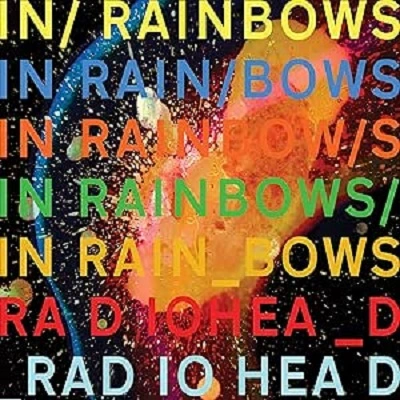
In Rainbows is widely celebrated as an album that beautifully balances the band’s trademark experimental complexity with warm, accessible melodies it stands out for its lack of throwaway tracks and an intimate, human performance from the band.Tracklist: 1 15 Step – Energetic electronic textures. An incredibly catchy and optimistic opener that sets a high-energy tone. 2 Bodysnatchers – Raw, driving alternative/prog-punk edge. A blistering rock song featuring aggressive guitar lines and massive kinetic energy. 3 Nude – Mellow, minimalist bassline and sweeping strings. A haunting, gorgeous standout featuring some of Thom Yorke’s finest vocals. 4 Weird Fishes/Arpeggi – Layered, interlocking guitar arpeggios. A hypnotic, masterfully mixed fan-favourite that creates an immersive, floating atmosphere. 5 All I Need – Moody synth bassline building to an explosive piano/drum crescendo. Dark, atmospheric, and highly praised for its massive, cathartic outro. 6 Faust Arp – Short acoustic arrangement laced with elegant strings. A relaxed, brief bridge that provides a palate cleanser before the album’s back half. 7 Reckoner – Mellow percussion, intricate guitar hooks, and soaring falsetto. A flawless emotional centrepiece of the album, praised for its incredible production. 8 House of Cards – Subdued, lethargic guitar loops and warm, romantic vocals. A gentle, loping track centring on themes of love, longing, and vulnerability. 9 Jigsaw Falling Into Place – Propulsive acoustic rhythm building to a grand, intense climax. A soaring, driving rock track that features exceptional, tight full-band musicianship. 10 Videotape – Minimalist piano ballad laced with a subtle, syncopated rhythm loop. A spine-chilling, sombre epilogue dealing with mortality and acceptance.
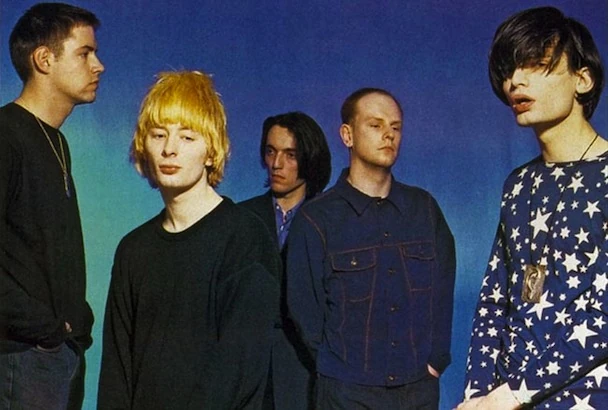
The band has maintained the same five members since its formation in 1985: Thom Yorke: Lead vocals, guitar, piano, and keyboards. Known for his distinctive high-voiced falsetto and as the primary songwriter. Jonny Greenwood: Lead guitar, keyboards, and other instruments, including the ondes Martenot, and orchestral arrangements. Colin Greenwood: Bass guitar. His bass lines often serve as a starting point for songs. Ed O’Brien: Guitar, effects, and backing vocals. He’s known for creating atmospheric and “weird” sounds that contribute to the band’s unique texture. Philip Selway: Drums and percussion. He is noted for his precise drumming and use of unusual time signatures. Though Yorke acts as Radiohead’s director, all the members have a role in arrangement. In 2004, Yorke said that while his power was once “absolutely unbalanced” and he would “subvert everybody else’s power at all costs”, later albums had been more democratic. He apologised to his bandmates for his earlier “control freak” behaviour.
Radiohead’s musical style has evolved dramatically over their career, moving from the guitar-heavy rock of their early days to incorporating a wide range of influences, including jazz, classical, and electronic music. Their 1997 album OK Computer is widely regarded as a landmark record of the 1990s, praised for its complex production and themes of modern alienation. They then took a sharp turn with Kid A (2000), which adopted a heavily electronic and experimental sound, dividing some listeners initially but ultimately being hailed as one of the best albums of the decade. Radiohead paid early dues on the local pub circuit. With their university education completed, the group landed a deal with Parlophone in late 1991. Although its debut album, Pablo Honey (1993), barely hinted at the grandeur to come, the startling single “Creep”—a grungy snarl of self-loathing—made major waves in the United States. The Bends (1995). a soaring, intense mix of Driving rockers such as “Bones” offset by forlorn ballads such as “High and Dry.” The album’s powerful sense of alienation completely went beyond the limited scope of mid-1990s Britpop. The widely acclaimed OK Computer (1997) huge-sounding and chillingly beautiful, with Yorke’s weightless voice enveloped on masterpieces such as “Lucky” by webs of dark, dense textures.

When Kid A came out in October 2000, it signalled that Radiohead—and Yorke above all—wanted to leave the wide-screen drama of OK Computer behind. The resulting selection of heavily electronic, more or less guitar-free pieces (notably “Kid A” and “Idioteque”) confounded. Though the album was a commercial success, it initially met with mixed critical reaction, as would the similar Amnesiac (2001), produced during the same sessions as Kid A. but if Radiohead had seemingly disavowed its musical past on these two albums—moving away from melody and rock instrumentation to create intricately textured soundscapes—it found a way to meld this approach with its guitar-band roots on the much-anticipated album Hail to the Thief (2003).The band, having concluded its six-album contract with the EMI Group in 2003, broke away from major label distribution and initially released its seventh album, In Rainbows (2007), via Internet download. A collection of 10 tracks that served as a confident, almost optimistic, sonic counterpoint to The Bends—that led critics to declare it the most approachable Radiohead album in a decade. After winning its third Grammy Award for the album, the group released the 2009 single “Harry Patch (In Memory Of),” a tribute to one of Britain’s last surviving World War I veterans. The group’s eighth release, The King of Limbs (2011) hosted eight tracks played on the interaction of technology and the natural world. Radiohead’s ninth album, A Moon Shaped Pool (2016) was densely textured and emotive. Following the Moon Shaped Pool tour, Radiohead went on hiatus. As Radiohead entered its third decade as recording artists, its members often pursued projects outside the context of the band. In a livestream event held by Glastonbury Festival in May 2021, Yorke and Jonny Greenwood debuted a new band, the Smile, with the drummer Tom Skinner. The Smile toured internationally between 2022 and 2024, and released two albums. Critics interpreted the Smile as a liberating, lower-pressure project for Yorke and Greenwood with more jazz, krautrock and progressive rock influences and a looser, wilder sound. Colin Greenwood toured with Nick Cave between 2022 and 2024. Selway released his third solo album, Strange Dance, in February 2023. Yorke released his second film soundtrack, Confidenza, in April 2024, and began a solo tour. Selway said in 2023 that it was healthy for the members to work with other musicians and that all the projects came under the Radiohead “umbrella”. Radiohead was inducted into the Rock and Roll Hall of Fame in 2019.
Sound quality is important and the better online Streaming services will offer superior sound quality. As always, We do encourage you to purchase Favoured albums from good online or High street record stores. Radiohead record label XL Recordings: Their main partner for current releases and back catalogue management since the mid-2000s, acquiring rights from EMI/Parlophone, Their original major label, which released their early work before they moved to a more independent model.
Artists in upcoming issues: Swans, Elvis Costello, Blur……Keep Listening!!