In This Issue #10 We Highlight 4 Artists And Some Significant Works
Join the Conversation!!!

We will Feature Up to 4 Albums from Artists representative of a range of the many sub-genres. We Hope to encourage Listeners of all tastes and passions. So Get your Headphones on and consider discussing the musical offering and sharing your views with like-minded peers.
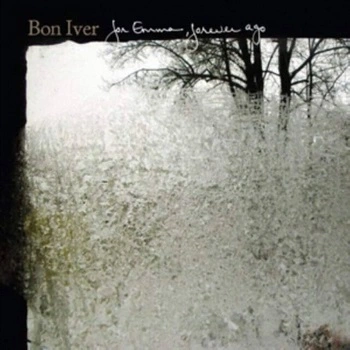
Bon Iver’s landmark 2007 debut album, For Emma, Forever Ago, is widely considered an indie-folk masterpiece. The album is celebrated for its raw emotion, haunting falsetto harmonies, and sparse, intimate production. Tracklist 1 “Flume” – Eerie intimacy, quivering acoustic guitar, layered backing vocals, stunning use of falsetto and dense, cavernous harmonies . 2 “Lump Sum” – Choral opening, rapid acoustic strumming, atmospheric folk. Hypnotic and propulsive. It layers a wall of “choir-like” self-harmonies. 3 “Skinny Love” – Heartbreak, decaying relationships, aggressive acoustic strumming. The album’s centrepiece single. It shifts from the fragile heights of Vernon’s falsetto into raw, impassioned shouts of anger and exhaustion. 4 “The Wolves (Act I and II)” – Resignation, rising tension, explosive vocal loops. An unassuming masterstroke. It starts as a quiet, mock-gospel meditation before erupting into a chaotic, tattered flood of emotional vocal loops. 5 “Creature Fear” – Frustration, dynamic ebb-and-flow, dramatic swells. The song builds carefully from a quiet syllable before sweeping the listener away in a tattered, heavy rhythm section that mimics the anxiety of a collapsing relationship 6″Team” – Brief instrumental/lyric bridge, structural transition. 7 “Blindsided” – Contemplation, low-key acoustic work, sudden stylistic shifts. Deeply absorbed beliefs and thoughtful and features a beautiful, off-centre melodic shift halfway through the song. 8 “For Emma” – Bittersweet closure, surprise horn arrangements, light optimism. 9 “re: Stacks” – Catharsis, delicate fingerpicking, whispered delivery. The ultimate epilogue. Vernon delivers a masterful, quiet vocal excavation, concluding the record with the transcendent realization that the grief has lifted.
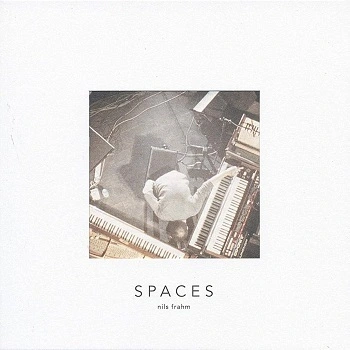
Spaces (2013) by Berlin-based composer and pianist Nils Frahm is widely considered one of his definitive releases. Unlike a standard studio album, Spaces is a curated collage of live field recordings gathered over two years. It captures Frahm’s raw spontaneity, combining neoclassical piano minimalism with expansive electronic modular synths, crowd noise, and joyful public experimentation. Tracklist: An Aborted Beginning – A percussive dub-ambient opener created by hitting piano parts like a drum kit.
Says – A breakout track built on a slowly blossoming Berlin School-style synthesizer loop. Said and Done – An intense, hammering minimalist motif that gradually layer textures over nearly ten minutes. Went Missing – A deeply moving, quiet piece highlighting emotional piano melodies. Familiar – A calmer, intimate, and highly soulful piano performance. Improvisation for Coughs and a Cell Phone – A playful piece that leans into random audience interruptions like a ringing phone. Hammers – A fast-paced, highly rhythmic composition propelled forward with intense momentum. For – Peter – Toilet Brushes – More – An epic multi-part odyssey featuring synth patterns and piano struck with literal toilet brushes. Over There, It’s Raining – A shorter, ambient meditative sketch.
Unter – Tristana – Ambre – A seamless live medley improvising across several of his previous tracks.
Ross’s Harmonium – A softly pulsating, gentle closing piece.
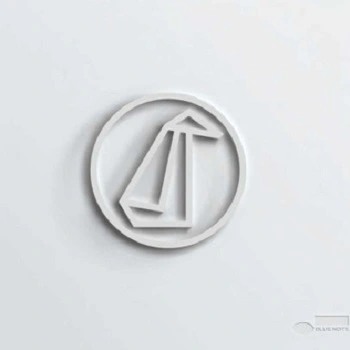
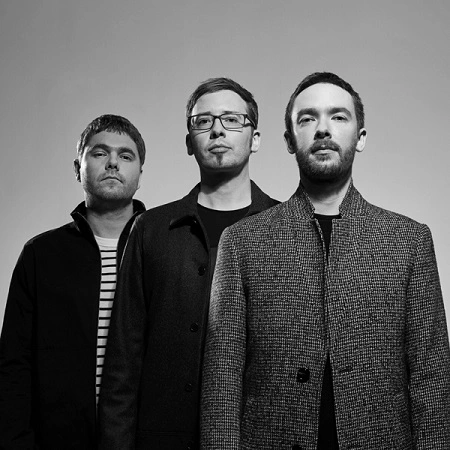
GoGo Penguin’s 2020 self-titled album GoGo Penguin is an acoustic-electronic crossover record that blends minimalist piano motifs, propulsive double bass, and breakbeat-inspired percussion. Tracklist “1_#” – A slow, poised atmospheric intro that sets up the record’s cinematic mood. “Atomised” – Built around a bright, spiralling piano riff with shifting bass and minimal synth textures. “Signal in the Noise” – An acoustic-leaning standout where Nick Blacka’s bass anchors the cascading piano melodies with fluctuating emotional intensity. “Open” – Softens percussion to let the piano unfold in forward and reverse-like patterns before building to an epic post-rock climax. “F Maj Pixie” (5:48) – Features rapid-fire piano arpeggios and playful, jittery rhythms that critics note as the closest the album gets to a pop-sensibility groove. “Kora” – Confident, high-energy, and unpredictable, keeping the trio’s trademark electronic-style sequencing alive with human hands. “Totem” – Carries the momentum forward with a tense, dramatic build and intricate drumming by Rob Turner. The album is heavily praised for its structural democracy; not a single instrument is relegated to a passive background role. Instead, they work as a tightly wound clockwork machine. Fans of electronica, avant-garde jazz, and rhythmic precision will find plenty to love in its tight, human-generated techno aesthetic.
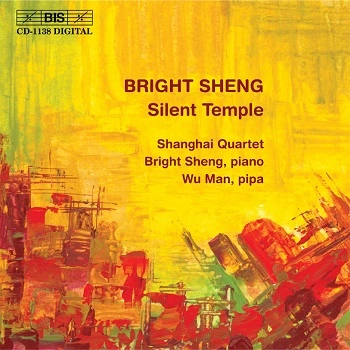
Four Movements for Piano Trio is a celebrated chamber work by Chinese-American composer Bright Sheng. Movements: I. Prelude-like / Heterophonic (♩ = 54): This opening movement utilizes heterophony (a traditional Asian musical texture where multiple players vary the same melodic line simultaneously) to establish a folklore-infused environment. II. Humorous and Joyful (♩ = 66): A fast-paced, witty movement built directly upon a traditional folk song from the Sichuan (Se-Tsuan) province of China.
III. Savage Dance (♩ = 112): An intense, driving movement written to showcase the musicians’ virtuosity. The melody evolves via a self-invented structural technique Sheng calls “Chinese sequence,” where an initial motive builds in length and pitch range each time it repeats.
IV. Nostalgia (♪ = 66): The finale slows down drastically to evoke a lonesome, solitary atmosphere of profound longing and nostalgia.
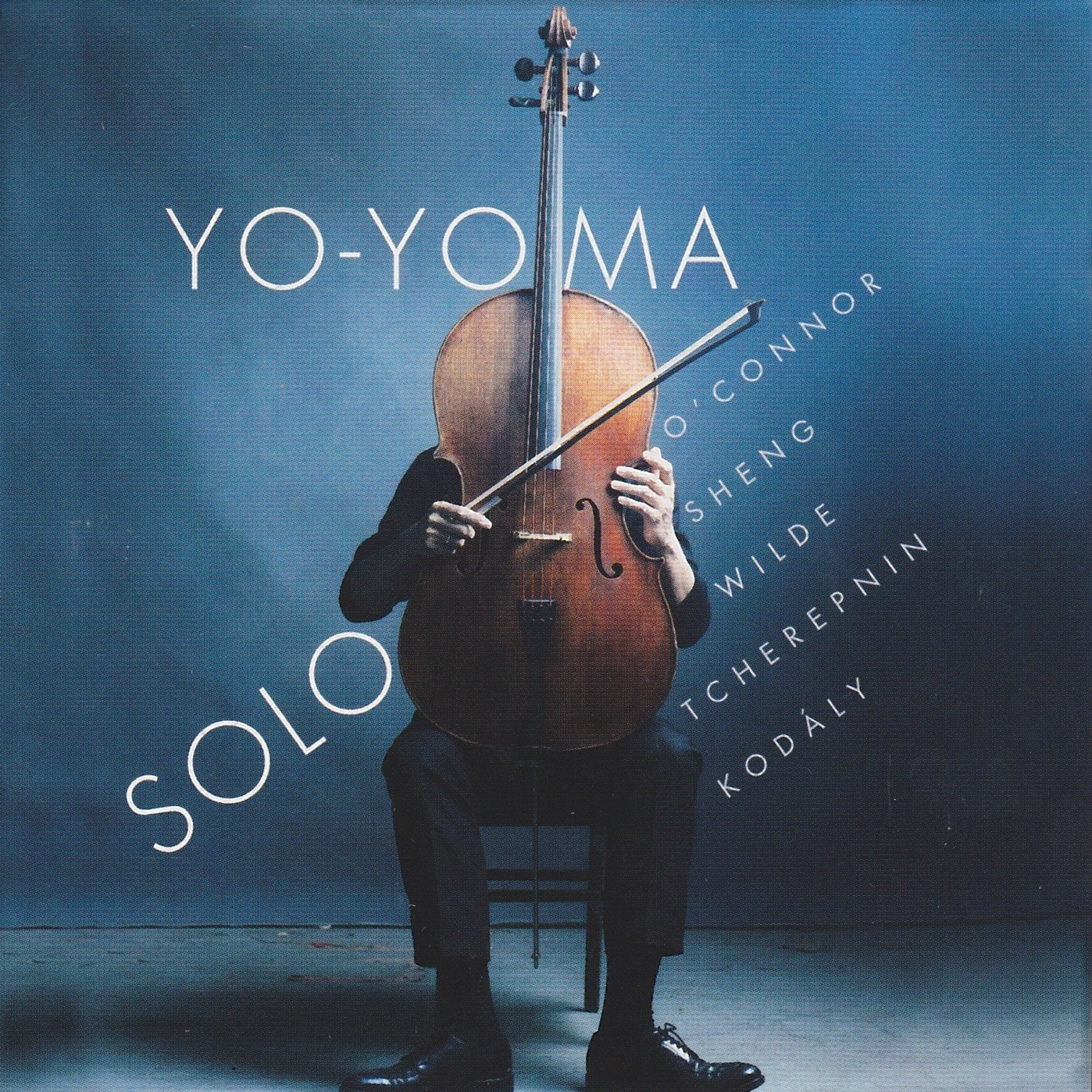
Seven Tunes Heard in China is a 1995 suite for solo cello the piece was specially written for and edited by famed cellist Yo-Yo Ma.The suite is divided into seven distinct movements, each drawing from a specific regional folk song or classical tradition. Movements: I. Seasons (Qinghai): A highly lyrical lyric piece mimicking the erhu (a two-stringed fiddle), based on a song about spring blooming in the Qinghai province. II. Guessing Song (Yunnan): A teasing, playful riddle song that features a continuous drone-like pedal tone beneath the main melody. III. The Little Cabbage (Hebei): A melancholy, expressive movement depicting a young child crying for her lost parents. IV. The Drunken Fisherman (Classical): Played entirely without a bow (pizzicato). The cellist plucks with the right hand and strums with a left-hand plectrum to recreate the sound of the ancient qin zither. V. Diu Diu Dong (Taiwan): A frantic, rhythmically complex piece mimicking the sound of a train passing through a tunnel, heavy with delicate double-stopped and thumb harmonics. VI. Pastoral Ballade (Mongolia): A sweeping movement based on an open-sky folk poem describing white clouds, green grass, and silver sheep.VII. Tibetan Dance (Tibet): A robust, energetic finale based on a traditional Tibetan celebratory circle dance.
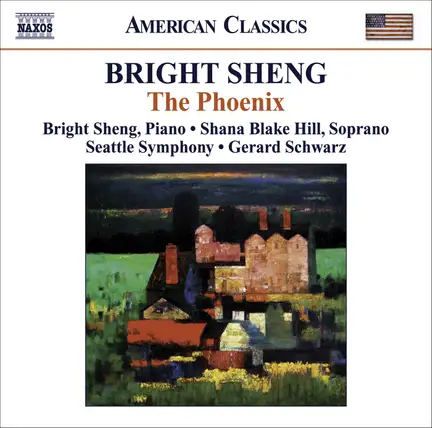
H’un (Lacerations): In Memoriam 1966–1976
is an acclaimed orchestral composition. Sheng grew up during the Cultural Revolution. While the work does not explicitly tell a story, it captures the emotional weight and anguish of living through that dark period as a child. The 22-minute composition uses aggressive, clashing, and harsh orchestral textures balanced with meditative stillness.The Phoenix (2004) is a powerful orchestral and vocal work. The orchestration is vivid and highly descriptive, alternating between delicate, colorful tonal sections and frantic, busy passages featuring simulated bird calls, alongside majestic use of brass and percussion. Red Silk Dance is a capriccio for piano and orchestra. Sheng utilizes a massive orchestration to replicate the noise, vibrancy, and colour of traditional Chinese percussion.Tibetan Dance (2000) is a celebrated three-movement chamber work that shift from a dreamlike nostalgia to vibrant reality.
It is helpful to research the artist, using sources like Wikipedia , Music Magazine Reviews (Pitchfork, Rolling stone, NME etc.,) Artist Websites, etc…A synopsis of the life and music of this Issue’s featured artists appears below.
This Week’s Artists
GoGo Penguin
GoGo Penguin formed in Manchester, England, in 2012 they released their debut album, Fanfares, the same year, to positive reviews. Their follow-up, v2.0, came out in 2014. In September 2014, it was shortlisted for the Barclaycard Mercury Prize as Album of the Year. In 2015, GoGo Penguin signed to Blue Note Records. Their third album, Man Made Object, was published in 2016. They followed it in 2018 with A Humdrum Star. Their next record, which was self-titled, came out in 2020. On 6 December 2021, the band announced the departure of their original drummer, Rob Turner, who was replaced by Jon Scott. Also in 2021, they released the album GGP/RMX and followed it with Everything Is Going to Be OK in 2023. Necessary Fictions came out in 2025. The band’s music features breakbeats, minimalist piano melodies, powerful basslines, electronica-inspired drums, and anthemic riffs. Their music also incorporates elements of trip-hop, jazz, rock, and classical music. While they primarily use acoustic instruments, they frequently incorporate synthesizers and electronics to achieve a modern, club-culture-inspired atmosphere.
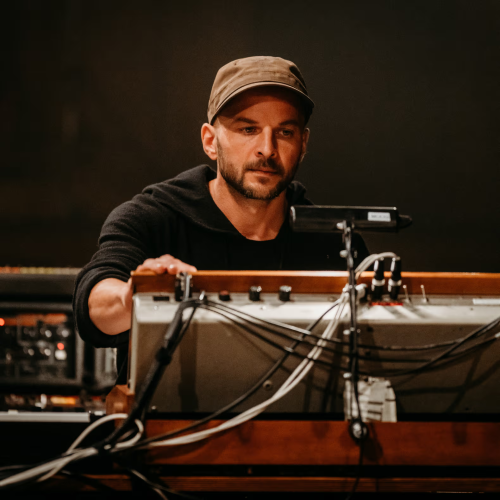
Nils celebrated his continued musical partnership with fellow artist Ólafur Arnalds with the release of their Collaborative Works in 2015. In 2015, Frahm composed his first original film score, for the German film Victoria. He also collaborated with Woodkid on the critically acclaimed short film ELLIS directed by JR which was released in October 2015.
NILS FRAHM
Nils Frahm is a German musician, composer, and record producer based in Berlin. He is known for combining classical and electronic music and for an unconventional approach to the piano in which he mixes a grand piano, upright piano, Roland Juno-60, Rhodes piano, drum machines, and Moog Taurus. He grew up near Hamburg, where he learned the styles of the classical pianists as well as contemporary composers. At school he used mixing boards and was very interested in the quality of recorded sound.] He studied classical piano for 8 years under Nahum Brodsky, the protégé of the protégé of Tchaikovsky, who lived in a neighbouring village. In 2006, rather than pursue an orchestra career, Frahm moved to Berlin as a jobbing technician. Frahm’s earlier solo piano works Wintermusik (2009) and The Bells (2009) gained him attention, but it was his 2011 release Felt that was met with critical acclaim. It was his first studio album on Erased Tapes, which has released his music since. Critically acclaimed albums since include Spaces (2013) which was made of sound collages of live recordings from various venues spanning two years. His album Solo (2015), an improvised single take with no overdubs, was one of 19 records nominated for the IMPALA Album of the Year Award. In the course of two years, he organised an ambitious overhaul of his studio. His highly acclaimed 2018 album All Melody was born out of the freedom that his new environment provided, allowing Nils to explore without any restrictions. Nils released Empty (2020) – a collection of solo upright piano music originally recorded as a soundtrack to a short film. In September 2022, Nils shared his critically acclaimed, expansive new album Music For Animals: Containing ten tracks and clocking in at over three hours long, it’s an ambitious and compelling set different to anything Nils has released to date. 2024 saw Nils release Day, a solo piano album recorded in complete solitude and away from his Berlin studio. He also shared All Good? the third record with his band Nonkeen. .
BON IVER
Bon Iver is an American indie folk band founded in 2006 by singer-songwriter Justin Vernon in Eau Claire, Wisconsin. Vernon had originally formed Bon Iver as a solo project, but it eventually became a band consisting of Vernon, Sean Carey, Michael Lewis, Matthew McCaughan, Andrew Fitzpatrick, and Jenn Wasner. Vernon released Bon Iver’s debut album, For Emma, Forever Ago, independently in July 2007. The majority of the album was recorded while Vernon spent three months isolated in a cabin in western Wisconsin..The first significant attention the album received was from My Old Kentucky Blog in June 2007, after which point “it snowballed,” according to manager Frenette. Another further breakthrough came when the album received a very positive review from influential indie internet publication Pitchfork. The second album was described as an “ambitious musical departure” from the first In 2012, the band won the Grammy Award for Best Alternative Music Album for their eponymous album Bon Iver. Prior to the album’s release, Vernon said that each song on the new album represents a place. The song “Perth” was described as a “Civil War-sounding heavy metal song,” the song “Minnesota, WI” was described as featuring “finger-picked guitars, double bass drums and distorted bass saxophone,” and the closing song “Beth/Rest” would be “horn heavy.” In November 12, 2012, the band announced its intent to take a break from performing after the last event of its 2012 tour in Dublin. Their label asserted that the band had not broken up. On July 18, 2015, the band played their first show in almost three years. 22, A Million was released on September 30, 2016. It was noted by many as a large stylistic shift for the band. One aspect of this shift included a drastic change in instrumentation. On the album and subsequent releases, Bon Iver often collaborated with a group of saxophonists. Bon Iver recorded their fourth album in 2019. During promotion of i,i Vernon revealed that he saw Bon Iver’s four primary albums as representative of the four seasons. The band’s fourth album, i,i, completes this cycle: a Fall record, Vernon says, autumn-coloured, ruminative, steeped. A fifth studio album titled, Sable, Fable, was released in April 2025. The album was announced with the following statement: “SABLE, was the prologue, a controlled burn clearing the way for new possibilities. fABLE is the book. Stories of introduction and celebration..

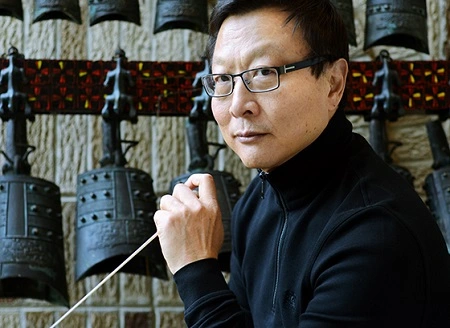
Notable compositions include H’un (Lacerations): In Memoriam 1966–1976, Nanking! Nanking!, the operas The Song of Majnun and Madam Mao, and the acclaimed 2016 opera Dream of the Red Chamber.
Prestigious Honors: He received a MacArthur Fellowship in 2001, was a two-time Pulitzer Prize finalist, and was commissioned by the White House for a state dinner performance featuring Yo-Yo Ma and Wu Man
BRIGHT SHENG
Bright Sheng was born in Shanghai, China on December 6, 1955. His mother had been his first piano teacher, having started learning at the age of four. Sheng was sent to Qinghai Province, China, and stayed there for seven years. He became a performer, playing the piano and percussion to not only perform, but to study and collect folk music. He also began to compose his own music. After the end of the Cultural Revolution, he got admitted into the Shanghai Conservatory of Music where he learned both Chinese classical and traditional music. There, Sheng earned his Bachelor of Arts degree in music composition. Sheng left China in 1982 and joined his family in the United States, where he had to re-learn different elements of music to adjust to the Western style of music. In New York, he attended Queens College to earn his Master of Arts degree in 1984 and later Columbia University to earn his Doctor of Musical Arts degree in 1993. During that period, in 1985, as a student at Tanglewood Music Center he met Leonard Bernstein who later became his mentor. Sheng studied composition and conducting with Bernstein privately and worked as his assistant until Bernstein’s passing in 1990. Sheng served as a composer-in-residence for the Lyric Opera of Chicago from 1989 to 1992, the Seattle Symphony from 1992 to 1995, and as an artistic director for the Wet Ink Festival hosted by the San Francisco Symphony Orchestra in 1993. At the beginning of his musical career, Sheng started out by making simplistic pieces of Chinese-Western mixtures since he had been exposed early on to both traditional Chinese music and ‘mainstream’ Western music. As his career continued, he found ways to incorporate traditional Chinese methods of music with modern music from Western influences. For nearly his whole composing career, Sheng has represented the Chinese culture he came from with the Western culture he moved to. As a result, Sheng’s following has expanded from Asia and the United States to a global one. Committed to the importance being both a performer and a composer, Sheng maintains an active performing career as a conductor and concert pianist, as he believes these two are closely related.
Sound quality is important and the better online Streaming services will offer superior sound quality. As always, We do encourage you to purchase favoured albums from good online or High Street record stores.
Nils Frahm – Spaces – Label : Erased Tapes
GoGo Penguin – GoGo Penguin – Label : Blue Note
Bon Iver – For Emma, Forever Ago – Label : 4AD
Bright Sheng – Silent Temple – Label : BIS Records ; Solo Yo Yo Ma ; – Label : Sony Classical ; The Phoenix – Label : Naxos American Classics:
In further issues we will continue to bring you the music of popular genres to listen, review and evaluate.
Issue #11(coming soon) features Built to Spill, Kraftwerk, Mark Feldman and Peter Sculthorpe