In This Issue #5 We Highlight 4 Artists And Some Significant Works
Join the Conversation!!!

We will Feature Up to 4 Albums from Artists representative of a range of the many sub-genres. We Hope to encourage Listeners of all tastes and passions. So Get your Headphones on and consider discussing the musical offering and sharing your views with like-minded peers.
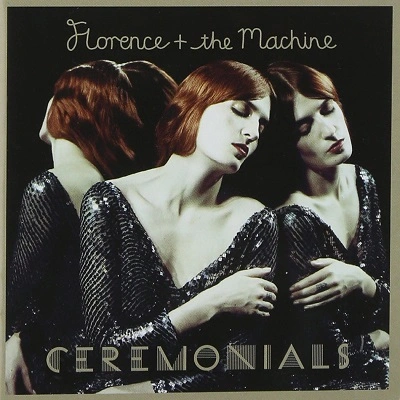
Ceremonials is the second studio album by English indie rock band Florence and the Machine, released on 28 October 2011 by Island Records. Entirely produced by Paul Epworth, the record is famous for its grand, gothic “maximalism”, combining Florence Welch’s powerful vocals with sweeping arrangements of harps, strings, tribal drums, and organs. Tracklist: Only If for a Night – A dramatic, harp-heavy opener that builds into booming piano chords. Sets a surreal, dream-sequence tone based on Florence Welch’s dream about her grandmother. Shake It Out – The massive, uplifting first single featuring a driving drumbeat. Praised as a theatre-kid fantasy about spiritual rebirth with an unforgettable stadium-size chorus. What the Water Gave Me – A folk-inspired track with chilling gospel organs. Explores dark themes of sacrifice and the consuming power of the sea. Never Let Me Go – A soaring, R&B-tinged piano ballad. Emotionally intense and technically demanding, functioning as a tragic meditation on drowning and guilt. Breaking Down – An uptempo, slightly distorted track with an out-of-tune piano. Provides a welcome, psychedelic jolt with a melancholic pop edge. Lover to Lover – Driven by a catchy blues piano riff that shifts into a full gospel choir. Highlighted by powerhouse vocal runs and chants of salvation. No Light, No Light – Built on pulsating tribal drums and an explosive electronic bridge. One of the record’s most visceral, high-energy anthems. Seven Devils – A sinister, tense cut driven by eerie, discordant strings. Delivers a genuine, haunting seance-like atmosphere. Heartlines – A spirited, driving track with tribal percussion. One of the album’s most compelling, bawling anthems. Spectrum (Say My Name) – Fuses 1990s house music textures with the band’s signature harp arrangements. A subtle, danceable shift in sonic direction. All This and Heaven Too – A grand alternative pop-rock arrangement. Continues the album’s sweeping, theatrical exploration of romance as a violent force of nature. Leave My Body -A pagan gospel closer that twists into a gritty, rolling groove, with an impressive wall of sound.
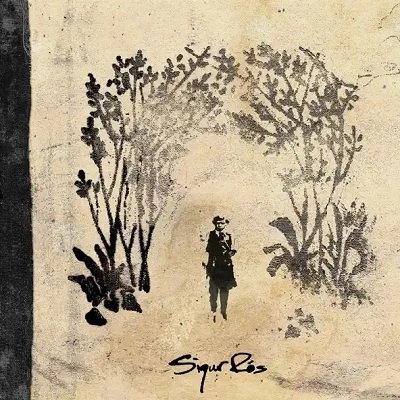
Takk… (2005) is the fourth studio album of the band. The album’s lyrics are mostly in Icelandic, with occasional elements of Vonlenska (“Hopelandic”), a scat-like form of gibberish. It is a warmer, more orchestral take on the band’s defining sound, and instantly accessible record. Half of the album’s tracks are longer than six minutes, with extended cresting, sudden bursts of action, and a couple of particularly fragile moments that seem to be on the brink of melting away. The cheerless drones of ( ) are replaced by more bass, drums, piano, horns, and samples, strings are more prominent than before alongside the ever-present otherworldly vocals. Takk….captured the band at their most energized and, perhaps, their most harmonious. Absorbing Pop and Ambient, Dance and Film Score without a steady beat or narrative to guide..Standout Tracks :“Sé Lest”: A whimsical, charming song featuring glockenspiels that concludes with a buoyant live brass band. “Hoppípolla”: The album’s most famous uplifting single, driven by a joyful piano melody and soaring strings. “Glósóli”: A dynamic centrepiece that starts quiet and erupts into a massrve, driving wall of distorted guitars and percussion.“Sæglópur”: An epic, dramatic track meaning “Lost at Sea,” featuring shifting tides of delicate music and thunderous crescendos.
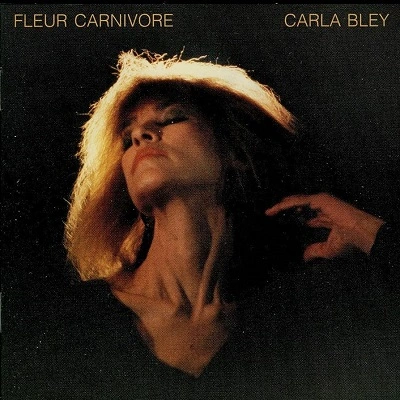
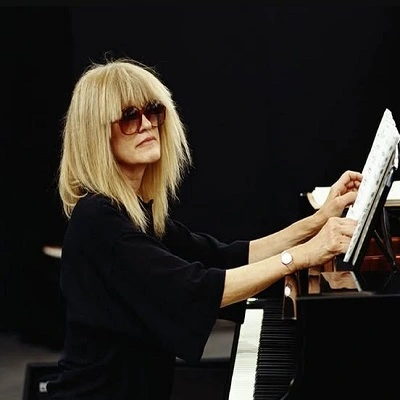
Fleur Carnivore is a live jazz album capturing her 15-piece band recorded in November 1988 at the Jazzhus Montmartre in Copenhagen, Denmark, and released in 1989 .The album is recognised as one of Bley’s finest. “Fleur Carnivore” : The epic title track pays structural homage to Duke Ellington. It functions as a romantically bittersweet, driving ballad that features prominent, fiery solos from alto saxophonist and trumpeter. “The Girl Who Cried Champagne (Parts 1/2/3)” : A breezy, swinging bossa nova piece that serves as an excellent showcase for tenor saxophonist, trombone player and a minimalist harmonic solo. “Song of the Eternal Waiting of Canute” : A buoyant, Latin-tinged track that builds incredible momentum with rousing, energetic solos from trombone and tenor saxophonist. “Healing Power” : A gospel and R&B-infused jazz tune featuring deep, soulful solo work from bassist and trombonist. “Ups and Downs” : A whimsical, upbeat track highlighted by dynamic solo contributions from tenor saxophone and French horn .
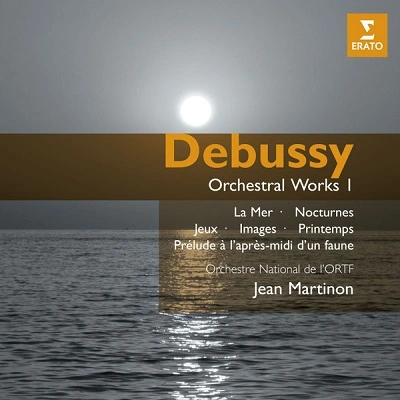
Prélude à l’après-midi d’un faune: is a symphonic poem for orchestra, approximately 10 minutes in duration. A landmark orchestral work considered by some to be the beginning of modern music, famous for its opening flute solo. Debussy sought to translate not the events of the poem, but rather the atmosphere, sensations, and vague impressions it evokes. He uses unconventional harmonies and innovative orchestral treatment with the rich use of woodwinds to create a delicate and lush sonic palette.La mer: One of Debussy’s most famous and frequently performed orchestral works. Subtitled “three symphonic sketches,” it uses innovative harmonies and orchestration to evoke the ever-changing moods and atmosphere of the ocean. Drawing inspiration from paintings and literature, particularly the seascapes of J.M.W. Turner and the Japanese artist Hokusai. Recurring musical themes and motifs create a sense of natural ebb and flow and sensuous tonal colours establish the quality of a sound (like a “bright” or “warm” tone), and unusual instrumentation create an illusion of light on the water and the vastness of the ocean.Images pour orchestra: An orchestral composition in three sections: Gigues: Debussy used his memories of England as inspiration for the music, in addition to the song “Dansons la gigue” by Charles Bordes and the Tyneside folk tune “The Keel Row”, which are used as key themes. Iberia: which has three sub-sections. Impressions of Spain inspired this music and Rondes de printemps (Round dances of spring). He used two folk tunes in this movement.Nocturnes, or Trois Nocturnes (Three Nocturnes), is an acclaimed Impressionist orchestral composition in three movements inspired by the series of atmospheric paintings by the American artist James Abbott McNeill Whistler. Movement 1 – Nuages (“Clouds”) reflects the slow, melancholy march of the clouds, fading away in grey tones. Movement 2 – Fêtes (“Festivals”): This piece portrays a “vibrating, dancing rhythm of the atmosphere with sudden flashes of light”. Movement 3 – Sirènes (“Sirens”): The third movement, which features a wordless women’s chorus, depicts the sea and its rhythms, with the “mysterious song of the sirens. Printemps is a symphonic suite. Described by Debussy as an expression of the “slow and laboured birth of beings and things in nature, their gradual blossoming, and finally the joy of being born into some new life.”Jeux a one-act ballet. The music is often noted for its innovative orchestration and complex, fluid rhythmic structure, using short thematic cells that are constantly altered and developed, with numerous tempo changes. Intermezzo Short composition version for piano duo (4 hands).)..
.
It is helpful to research the artist, using sources like Wikipedia , Music Magazine Reviews (Pitchfork, Rolling stone, NME etc.,) Artist Websites, etc…A synopsis of the life and music of this Issue’s featured artists appears below.
This Week’s Artists
CARLA BLEY
Carla Bley was born in Oakland, California, in 1936, to Swedish parents. Her father encouraged her to sing and to learn to play the piano. She moved to New York City at seventeen and became a cigarette girl at Birdland, where she met jazz pianist Paul Bley, who encouraged her to start composing. She toured with him under the name Karen Borg before changing her name in 1957 to Carla Borg. She married Bley and took his name the same year, later divorcing. She kept the surname professionally thereafter. Her musical output was vast, encompassing everything from short, catchy tunes to long, through-composed suites, often incorporating elements of avant-garde, gospel, blues, and pop. Her notable compositions include the “dark opera without words” A Genuine Tong Funeral (recorded by Gary Burton in 1968) and the ambitious, triple-LP jazz opera Escalator Over the Hill (1971), which featured a diverse range of collaborators including Jack Bruce, John McLaughlin, and Linda Ronstadt. She co-led the Jazz Composer’s Orchestra with her second husband, trumpeter Michael Mantler, and was the primary arranger for Charlie Haden’s Liberation Music Orchestra. She also led her own small groups and acclaimed big bands throughout the decades. In her later years, she frequently performed in a trio with her life partner, bassist Steve Swallow, and saxophonist Andy Sheppard, releasing albums on the ECM label. Bley was awarded a Guggenheim Fellowship in 1972 for music composition. In 2009, she received the German Jazz Trophy “A Life for Jazz”. Bley received the NEA Jazz Masters Award in 2015.
SIGUR RÓS
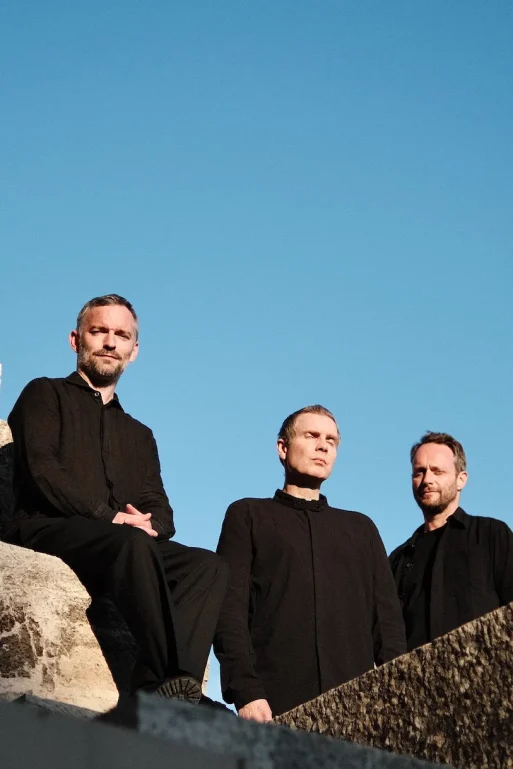
Sigur Rós formed in 1994 in Reykjavík. Initially labelled as a post-rock band that subgenre of experimental rock that emphasizes texture, atmosphere, and non-traditional song structures over conventional rock techniques. Post-rock artists often combine rock instrumentation and rock stylings with electronics and digital production. However, no scene or sub-genre has ever managed to hold them. First a quartet, then a trio after multi-instrumentalist Kjartan Sveinsson left in 2013, a duo following the departure of drummer Orri Páll Dýrason in 2018, and a serene-sounding threesome again when Kjartan rejoined to make Átta,The band comprises lead vocalist and guitarist Jón Þór “Jónsi” Birgisson, bassist Georg Hólm, and keyboardist Kjartan Sveinsson, the only member of Sigur Rós with musical training, and it is he who has contributed most of the orchestral and string arrangements for their later work. The band’s name, which means “Victory Rose”, is taken from the name of Jónsi’s younger sister, Sigurrós, born a few days before the band was formed.Known for their ethereal sound and frontman Jonsi’s falsetto vocals Sigur Rós incorporate classical and minimal aesthetic elements. They have released eight studio albums, and attracted critical and commercial attention with their second album Ágætis byrjun. After the release of Ágætis byrjun, the band became known for Jónsi’s signature style of reverb accentuated guitar work using a cello’s bow.
Notable albums following Ágætis byrjun include ( ) (2002): A critically acclaimed album featuring eight nameless songs sung entirely in “Hopelandic,” a wordless language, allowing listeners to bring their own interpretation to the music. Takk… (2005): Often referred to as their “happy album,” it features popular singles “Glósóli,” “Hoppípolla,” and “Sæglópur”. The band moved on to even more beautiful soundscapes with ÁTTA (2023): Their most recent album, contrasting their previous work with minimal drums and soaring, poignant atmospherics.
Sigur Rós is known for unique live performances, which have recently included collaborations with local orchestras and conductors such as Robert Ames, bringing their music to life with added depth and scale. Jónsi has said. “There are no lyrics or stories for people to hold on to. It’s more about pure emotions that people experience from the music.”
FLORENCE + THE MACHINE
Florence + the Machine are an English indie rock band formed in London in 2007 by lead vocalist Florence Welch, keyboardist Isabella Summers, guitarist Rob Ackroyd, drummer Christopher Lloyd Hayden and harpist Tom Monger. The band’s music features dramatic, eccentric production and is known for its dramatic, baroque pop sound and the powerful, ethereal vocals of lead singer Florence Welch. Their sound has been described as a combination of various genres, including rock and soul. In 2015, Welch became the first British female headliner of the Glastonbury Festival in the 21st century.. Lungs (2009): Their debut album that topped the UK charts was shortlisted for the 2009 Mercury Prize and won British Album of the Year at the Brit Awards in 2010. James Christopher Monger of AllMusic praised it as “one of the most musically mature and emotionally mesmerizing albums of 2009”. Ceremonials (2011): This album reached number one in the UK and included popular singles like “Shake It Out”. Florence Welch’s powerful, soulful, and evocative vocals are a recurring point of praise, described as a key strength of the album. The album is influenced by hymns, poems and church bells.The 2015 studio album, How Big, How Blue, How Beautiful, explores personal conflicts and struggles. Presenting a more refined, stripped-down sound compared to the previous albums, incorporating elements of folk, blues, and gospel music. The album earned five nominations in the 58th Annual Grammy Awards.Titled High as Hope, the band’s fourth studio album was released in June 2018. A Pitchfork review warned “Another relatively stripped-down album featuring the titanic voice of Florence Welch is troubled by its overwhelmingly beige production.” In March 2022, Welch announced Dance Fever. The album was primarily recorded during the COVID-19 pandemic and explores themes of womanhood, anxiety, longing for live performance, and the choice between domesticity and an artistic career. Critics praised its emotional depth, lyrical introspection, and a sound that blends gothic, folk, and dance-pop elements.
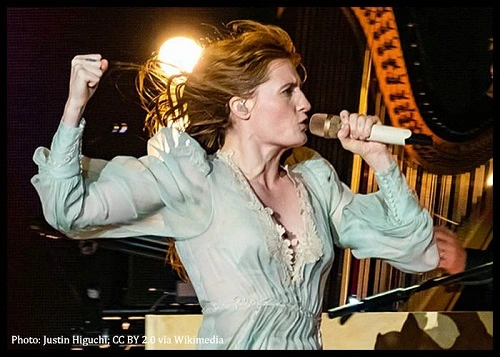
The group recently released their sixth studio album, Everybody Scream, in October 2025. largely inspired by Florence Welch’s experience undergoing life-saving surgery for an ectopic pregnancy during her 2023 tour. She has called it her most personal album to date, exploring themes of life, death, rage, and the pressures of being a female performer.
CLAUDE DEBUSSY
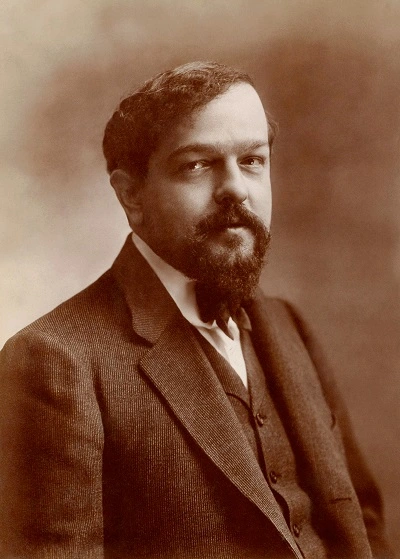
Claude Debussy (1862–1918) was a pioneering French composer and one of the most influential figures in 20th-century music, widely regarded as the creator of musical Impressionism. Debussy changed the rules of classical music by focusing on feelings and musical pictures rather than strict, old-fashioned guidelines. Instead of writing predictable songs, he wanted his music to feel like a dream, a mood, or a specific colour.To create this blurry, magical sound, he did two main things:Used unusual scales: Instead of normal musical scales, he used special sets of notes (like the whole-tone and pentatonic scales) that sound open, floating, and mysterious. Broke harmony rules: He used blocks of chords that moved together in a way that traditional music teachers forbade, creating a smooth, drifting effect. He rejected rigid rules, famously stating, “Works of art make rules; rules do not make works of art”. He was heavily influenced by the Symbolist poets of his time, such as Stéphane Mallarmé and Paul Verlaine, and the Impressionist painters. His most famous compositions include the piano piece “Clair de lune” (part of the Suite bergamasque), the orchestral work Prélude à l’après-midi d’un faune (Prelude to the Afternoon of a Faun), the symphonic sketches La mer (The Sea), and his only completed opera, Pelléas et Mélisande. He developed colorectal cancer around 1910 and died in Paris on March 25, 1918, during a German bombardment of the city in World War I. In his final years, he focused on chamber music, including three of the six planned sonatas, with the Violin Sonata being his last public performance. Debussy’s legacy endures, having a profound influence on a wide range of composers in classical and jazz traditions, and his music continues to be featured in film and popular culture.
Sound quality is important and the better online Streaming services will offer superior sound quality. As always, We do encourage you to purchase favoured albums from good online or High Street record stores.
Sigur Rós – Taak….- Label : Geffen Records (US) EMI Records
Carla Bley – Fleur Carnivore – Label : Watt/ECM
Florence + The Machine – Ceremonials – Label : Island Records
Claude Debussy – Orchestral Works 1 – Label : Erato
In further issues we will continue to bring you the music of popular genres to listen, review and evaluate.
Issue #6(coming soon) features Nirvana, Four Tet, Dave Holland and Kaija Anneli Saariaho